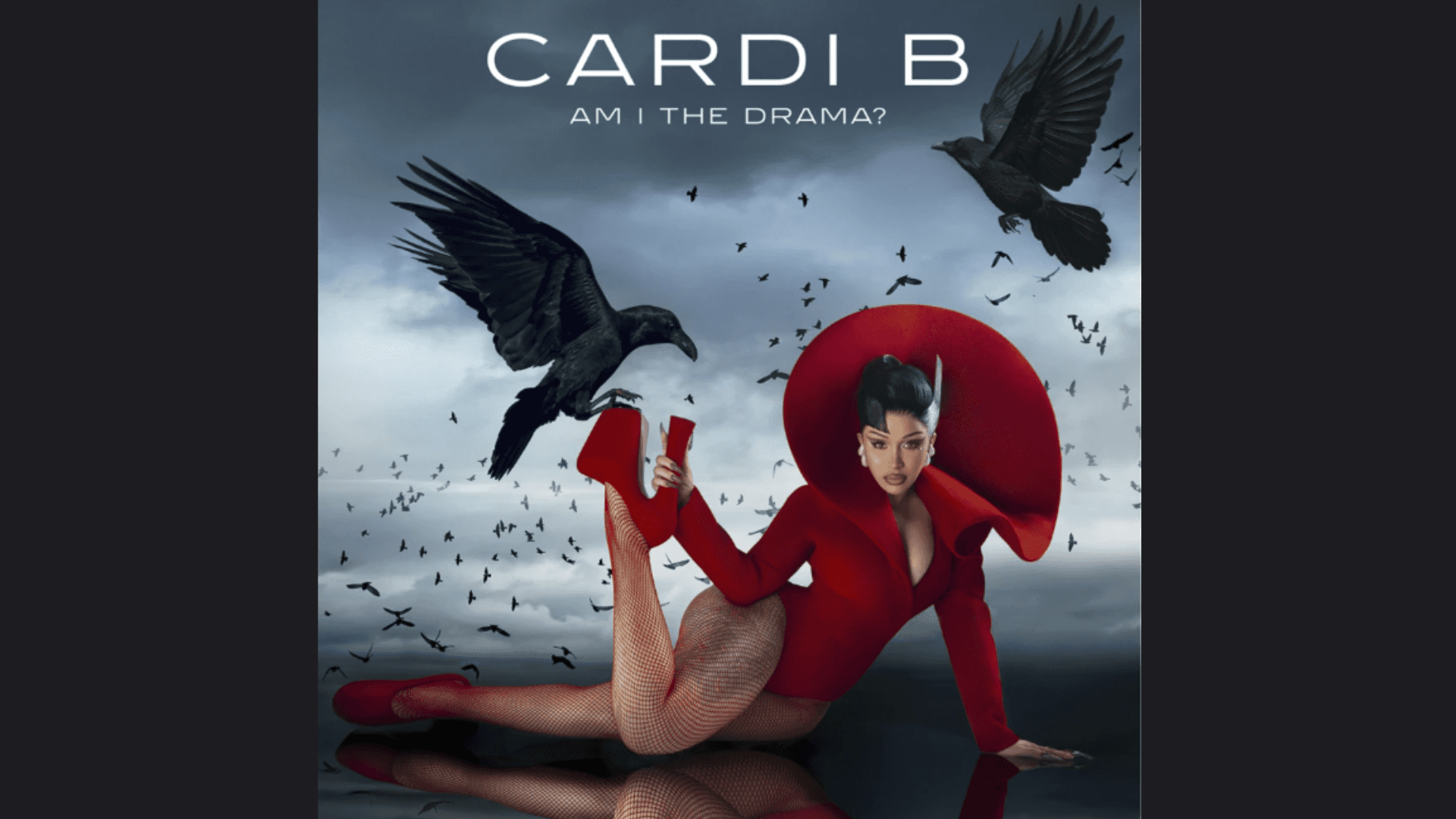
Cardi B doesn’t just drop music; she detonates moments that ripple across pop culture and marketing circles alike. Her latest album, Am I the Drama, turned timelines into battlegrounds, fan bases into marketing armies, and chaos into a calculated communications plan. The supposed friction with Nicki Minaj fueled the fire — maybe beef, maybe business — but undeniably a masterclass in earned media. Every tweet, every rumor, every screenshot felt unscripted, yet it synced perfectly with her release cadence. Cardi knows that controversy, when well-managed, isn’t destruction; its distribution. Don’t call it drama. Call it strategy in motion.
The Art of Authenticity 2.0
Let’s start with the obvious: Cardi’s greatest asset isn’t her voice, it’s her authenticity architecture. Every tweet, Live, or meme builds equity in brand Cardi. She’s not just relatable; she’s strategically transparent. It’s what marketers call “performative authenticity” — that sweet spot where being real becomes part of the brand.
Here’s the genius: Cardi doesn’t fake transparency. She manages it. She decides when to show mess, when to show money, and when to show motherhood. Each version builds intimacy. When she rants about contracts, labels, or industry politics, she’s not going off-script; she’s expanding the story. Fans don’t just follow her; they feel like they know her. That’s parasocial connection done right — not a gimmick, but a marketing asset.
Cardi B doesn’t just drop music; she detonates moments that ripple across pop culture and marketing circles alike. Her latest album, Am I the Drama, turned timelines into battlegrounds, fan bases into marketing armies, and chaos into a calculated communications plan. The supposed friction with Nicki Minaj fueled the fire — maybe beef, maybe business — but undeniably a masterclass in earned media. Every tweet, every rumor, every screenshot felt unscripted, yet it synced perfectly with her release cadence. Cardi knows that controversy, when well-managed, isn’t destruction; its distribution. Don’t call it drama. Call it strategy in motion.
The Art of Authenticity 2.0
Let’s start with the obvious: Cardi’s greatest asset isn’t her voice, it’s her authenticity architecture. Every tweet, Live, or meme builds equity in brand Cardi. She’s not just relatable; she’s strategically transparent. It’s what marketers call “performative authenticity” — that sweet spot where being real becomes part of the brand.
Here’s the genius: Cardi doesn’t fake transparency. She manages it. She decides when to show mess, when to show money, and when to show motherhood. Each version builds intimacy. When she rants about contracts, labels, or industry politics, she’s not going off-script; she’s expanding the story. Fans don’t just follow her; they feel like they know her. That’s parasocial connection done right — not a gimmick, but a marketing asset.
The Art of Authenticity 2.0
Let’s start with the obvious: Cardi’s greatest asset isn’t her voice, it’s her authenticity architecture. Every tweet, Live, or meme builds equity in brand Cardi. She’s not just relatable; she’s strategically transparent. It’s what marketers call “performative authenticity” — that sweet spot where being real becomes part of the brand.
Here’s the genius: Cardi doesn’t fake transparency. She manages it. She decides when to show mess, when to show money, and when to show motherhood. Each version builds intimacy. When she rants about contracts, labels, or industry politics, she’s not going off-script; she’s expanding the story. Fans don’t just follow her; they feel like they know her. That’s parasocial connection done right — not a gimmick, but a marketing asset.
Authenticity now lives at the intersection of honesty and control. It’s about control. Cardi owns her narrative by owning her chaos. That’s the first rule of modern marketing: if you don’t define your story, someone else will.
Attention Economics 101
We live in a world where attention is currency. Cardi is both supply and demand. Every post, every headline, every argument she triggers becomes free media. When she fires off a tweet or drops a video, she’s not reacting; she’s setting the tempo. A subtweet is a signal. A silence is a strategy.
Cardi doesn’t need billboards. She builds buzz in real time. Her Am I the Drama rollout wasn’t a PR campaign. It was a cultural drop — a real-time case study in how to hijack the attention economy. Every controversy, every clapback, every leaked snippet pulled audiences deeper into her ecosystem. She doesn’t chase attention; she converts it into longevity.
And here’s what most brands miss: attention alone isn’t the goal. It’s what you do with it. Cardi turns attention into engagement loops. Once you’re talking about her, you’re already part of her campaign.
Guerrilla in Gucci
Old-school guerrilla marketing was about posters on walls and flash mobs in malls. Cardi redefined it for the algorithm age. Her guerrilla tactics live online — unpolished, impulsive, and intentionally messy. The chaos feels organic, but every move is calibrated. That’s what makes her different from the rest of celebrity culture.
Take her Reebok collab or the WAP rollout. She didn’t need a media plan. She was the media plan. Viral debates about lyrics or looks became part of the sales funnel. By turning outrage into opportunity, Cardi flipped criticism into coverage. That’s disruption by design. It’s what Artefact91 calls “engineered serendipity” — moments that feel spontaneous but are built to scale.
The lesson for brands? Let go of perfection. Perfection doesn’t trend. Personality does.
What Entrepreneurs Should Actually Steal
Cardi B’s playbook is simple but ruthless.
Narrative is infrastructure. Don’t wait to build your story after the product launches. The story is the product.
Authenticity scales. The rawer it feels, the faster it spreads. If it looks too polished, people scroll past it.
Control the conversation by feeding it. Give people something to remix, argue over, or claim as their own.
Drop when it feels risky. Predictability is the enemy of virality. If it’s comfortable, it’s invisible.
Make controversy constructive. It’s not about shock for shock’s sake. It’s about knowing when noise turns into momentum.
For entrepreneurs and creators, this is the real takeaway: marketing isn’t just about visibility. It’s about velocity. It’s not enough to be seen; you have to be circulated.
From Culture to Commerce
Cardi B’s marketing strategy proves that the future of branding lives at the intersection of culture, timing, and personality. She doesn’t sell products. She sells proximity. She makes people feel part of her narrative — whether they’re fans, haters, or passive scrollers. That’s community as commerce.
This is what Artefact91 calls “cultural velocity.” The ability to move through social media cycles with purpose, turning chaos into consistency. It’s the same energy entrepreneurs need to cut through noise. Stop chasing perfection. Start mastering tempo.
Cardi doesn’t whisper her value. She declares it — loudly, repeatedly, and unapologetically. For every founder trying to break through, the message is clear: in the attention economy, the loudest voice isn’t always the biggest. It’s the most consistent, the most intentional, and the most real.
So, next time you see Cardi trending, don’t just watch the drama. Study the data.