Introduction
In the dynamic realm of technology, innovat
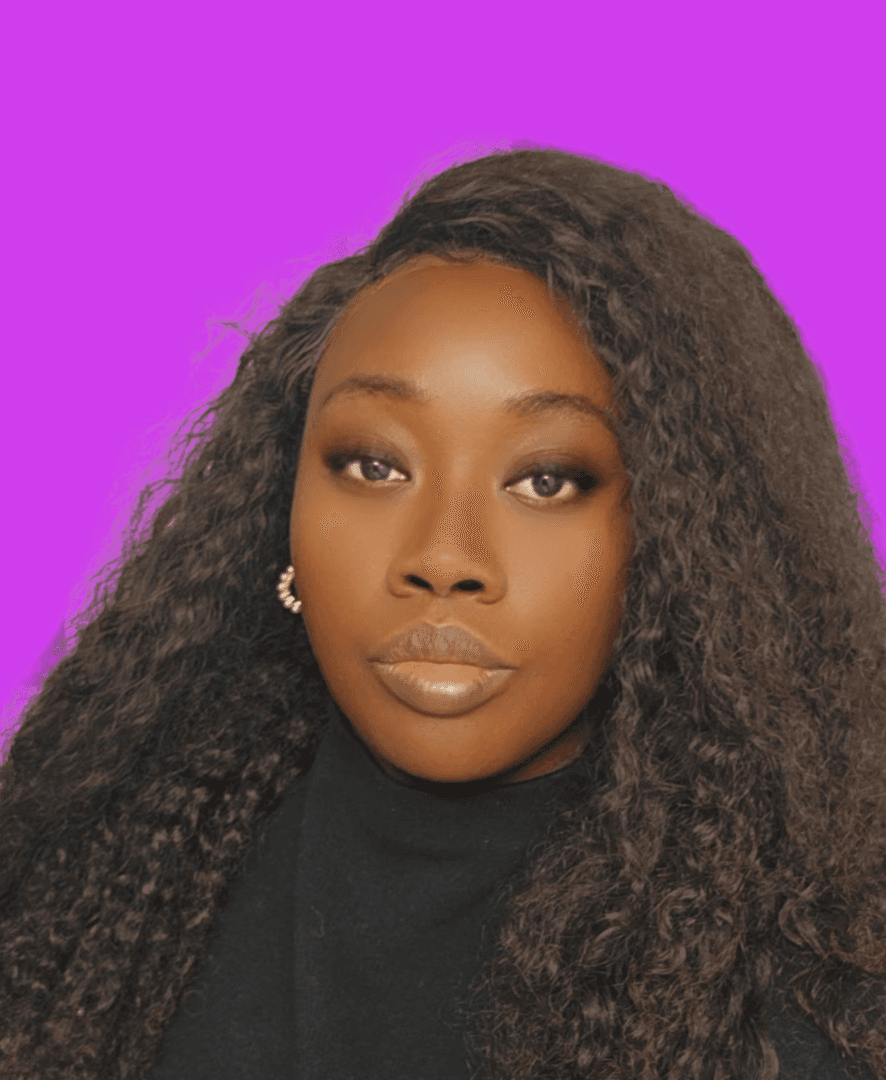
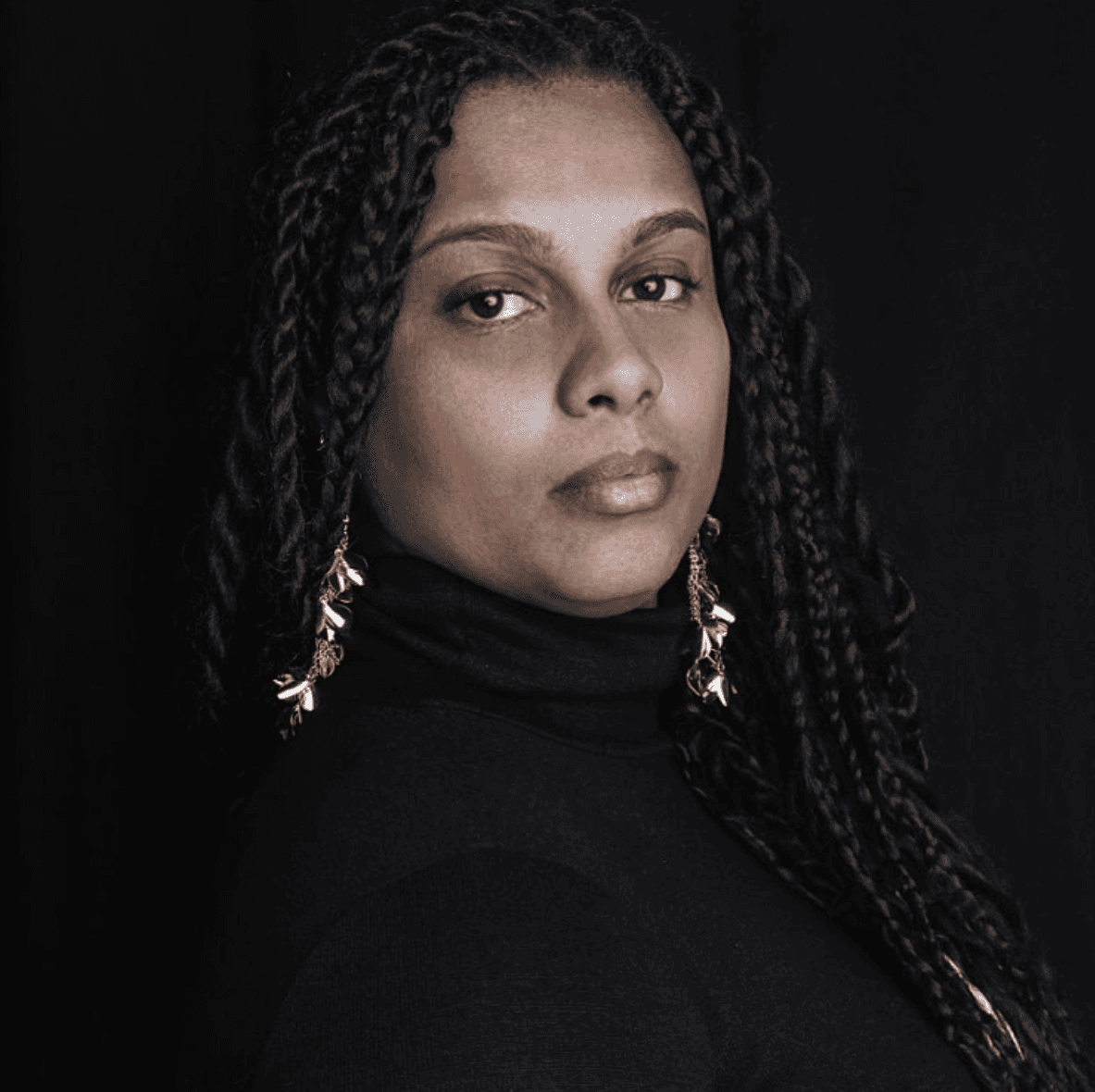
FEATURE STORY: PAULINA O’KIEFFE-ANTHONY
Photograph by Anthony Gebrehiwo | Pronouns: She/Her
Instagram: @paulinaokieffe
LinkedIn: Paulina O'Kieffe-Anthony
You can't play mas and fraid powder
To be an artist in the pursuit of truth is to walk a path where beauty and discomfort often collide. For Windsor-based creative Paulina O’Kieffe-Anthony, that collision is not only welcome—it is necessary. As a multidisciplinary storyteller, Paulina’s work spans poetry, theatre, literature, and community engagement. But at its core, her practice is about something much deeper: liberation through truth-telling.
My acts of liberation and resistance begin with a deep commitment to telling uncomfortable truths,” she says. “I do not shy away from subjects that are challenging, raw, or unsettling—because those narratives often hold the key to our most necessary conversations.
Whether it's exposing the intergenerational wounds of systemic racism, interrogating sanitized histories, or dramatizing the complex realities of Black womanhood, Paulina wields her art like a mirror. It’s not always easy to look into—but once we do, we cannot unsee the truths reflected back.
This is the resistance. Not rooted in spectacle, but in substance. Not performance, but purpose.
Too often,” she continues, “communities and individuals hesitate to address injustice out of fear of conflict, rejection, or discomfort. Yet, it is precisely in that space of discomfort that growth and change can take root.
Through her critically acclaimed projects, Paulina has carved out a space where those conversations can live. Her poetry has been featured in anthologies and stages across the country. Her theatrical work dissects trauma and joy with equal care. And her presence in the community—as a cultural producer, mentor, and mother—is itself a powerful act of living legacy.
At a time when the commodification of Black art is at an all-time high, Paulina’s refusal to be boxed in by market demands is a quiet yet thunderous rebellion. “While my art is created for public engagement, I refuse to be bound by trends or external pressures. I choose projects that align with my values, my passion, and my purpose.”
This commitment to autonomy is not just personal—it is political. It is a deliberate stand against the systems that dictate what stories are ‘worth telling,’ and whose voices are ‘worthy’ of being heard. For Paulina, the freedom to create on her own terms is a radical reclaiming of both time and narrative.
Liberation is the freedom to live authentically,” she explains. “Without the weight of societal, familial, or cultural expectations dictating who I should be, how I should behave, or what I should create.
This freedom is not granted. It is seized.
Paulina’s creativity is a tool of both liberation and resistance. Through her work, she reclaims stories that have been erased or flattened, and instead presents them in their full complexity—layered, messy, human. In doing so, she resists the dangerous simplicity of single-story narratives and insists on a multidimensional truth.
Resistance is saying ‘no’ to the narratives—both personal and historical—that seek to diminish or distort my truth. It is the conscious choice to stand against pressures that would have me shrink, blend in, or silence my voice.
This defiance is not always loud. Sometimes it looks like persistence, like choosing to write even when the world says there’s no space for your voice. Sometimes it’s in mentorship, in holding the door open for others, in building systems that don’t replicate harm. Sometimes it’s in the quiet moment of saying, “Not this time,” and walking away from a project that doesn’t honour your integrity.
But Paulina’s creative resistance is also joyful. It dances. It celebrates. It dreams.
Her favorite quote, “You can’t play mas and fraid powder,” speaks to this balance between bravery and exuberance. Borrowed from Caribbean carnival culture, the saying reminds us that to fully participate in the revelry of life, we must accept the mess, the chaos, the powder. That joy, too, requires courage.
And courage is a recurring thread in Paulina’s journey.
As a mother, she shapes a world where her children can see themselves reflected with dignity. As a poet, she conjures verses that heal and provoke. As a producer, she creates platforms that amplify marginalized voices without asking them to contort for mainstream comfort.
“This creative process is more than self-expression,” she explains. “It is a reclamation. A way to honour the legacies of those who came before me, and to contribute to a collective memory that affirms our resilience.”
To Paulina, resistance is not about rejection for its own sake. It is about insistence—on depth, on integrity, on freedom. It is about saying, I will not be edited out of this story.
And perhaps most radically, Paulina makes space for dreaming. For exploring the unknown, for imagining futures that don’t yet exist. Her resistance isn’t just against what is—it’s in service of what could be.
To live liberated is to grant myself permission to explore, to experiment, and to dream without being tethered to other people’s comfort zones.
Her stories—our stories—deserve nothing less.
Paulina O’Kieffe-Anthony is not simply telling stories. She is building a literary and cultural archive rooted in defiance, compassion, and visionary care. She is reminding us that art doesn’t have to be sanitized to be sacred. That discomfort is not the enemy of connection—it is often its birthplace.
In every poem, play, and project, she is living her own words:
To resist is to protect your freedom.
To create is to honour your truth.
To live liberated is to never ask permission to be whole.
And with each act of creation, Paulina affirms: our truths are not burdens. They are blueprints for freedom.