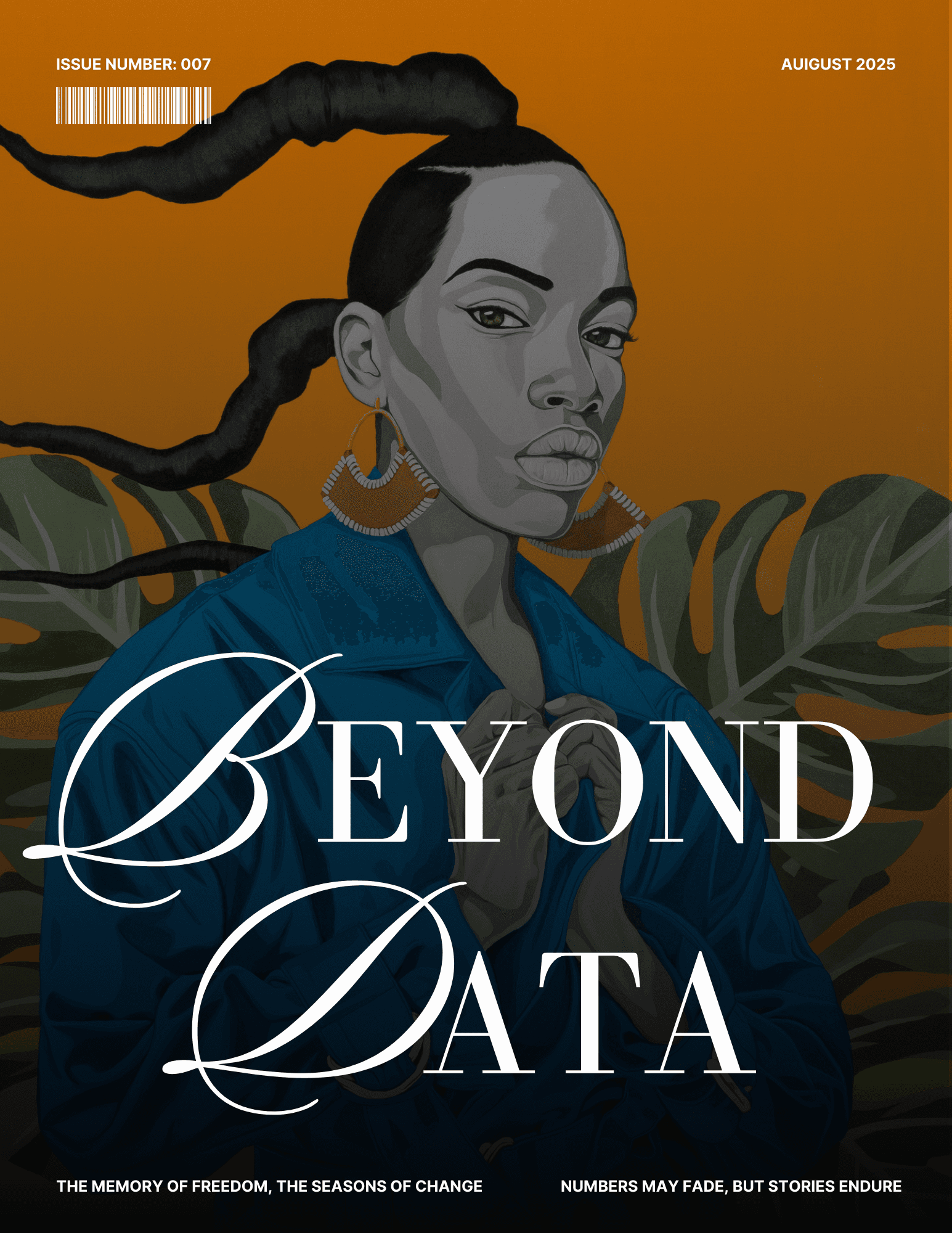

Celeste Trianon (she/her) is used to being first—but she’s never been interested in being the only.
As a trans advocate and the founding director of Juritrans, Celeste has become one of the most visible and vocal voices for trans legal justice in Canada. Where some see bureaucracy, she sees possibility. Where some see the law as gatekeeping, Celeste sees tools to be re-engineered—loopholes to be closed, protections to be expanded, language to be sharpened like a blade and softened like a balm.
Juritrans is both a resource hub and a rebellion. It’s a legal advocacy project that centers trans people—not as footnotes in the law, but as co-authors of it. The platform demystifies everything from name and gender-marker changes to human rights complaints, offering practical tools and legal navigation designed by and for trans people. In a country where legal systems remain opaque, expensive, and uneven in their protections, Juritrans stands out not just for what it offers—but for who it prioritizes.
“Your silence will not protect you.” — Audre Lorde (Celeste’s chosen quote)
Celeste does not do silence. Her advocacy is precise, policy-driven, and unapologetically public. Whether through social media, parliamentary committee testimony, or organizing direct support, her work is deeply strategic. It acknowledges both the urgency of lived experience and the slow-moving machinery of change.
She understands that legislation doesn’t always mean liberation. That access to legal rights on paper doesn’t mean dignity in practice. But through Juritrans, Celeste and her team are closing that gap—one form, one webinar, one urgent explainer at a time.
Juritrans emerged not from theory, but from frustration. Like many in the community, Celeste spent years trying to navigate systems not designed with trans people in mind. That friction became fuel. She launched Juritrans to offer what she wished she had: reliable legal information, updates on shifting policies, and content in both English and French—recognizing the bilingual realities of trans people across Quebec and Canada.
Beyond its legal offerings, Juritrans is building a political culture that centers trans leadership without flattening it. Its approach is intersectional, multilingual, anti-racist, and youth-forward. It’s also deeply collaborative, drawing insights from across movements and legal scholars who believe that justice is not something bestowed—it’s something collectively constructed.
As part of Beyond Data’s 2025 Pride Edition, Celeste’s inclusion is not only deserved—it’s necessary. Her work with Juritrans illuminates the pathways toward safer, clearer, and more affirming legal infrastructures. In a year marked by global backsliding on queer and trans rights, from anti-LGBTQ+ policies to Pride sponsor pullouts, voices like Celeste’s carry the clarity—and the data—needed to cut through the noise.
“It’s not enough to be visible,” she once said in a panel. “We have to be legible—to ourselves, and to the systems we’re reshaping.”