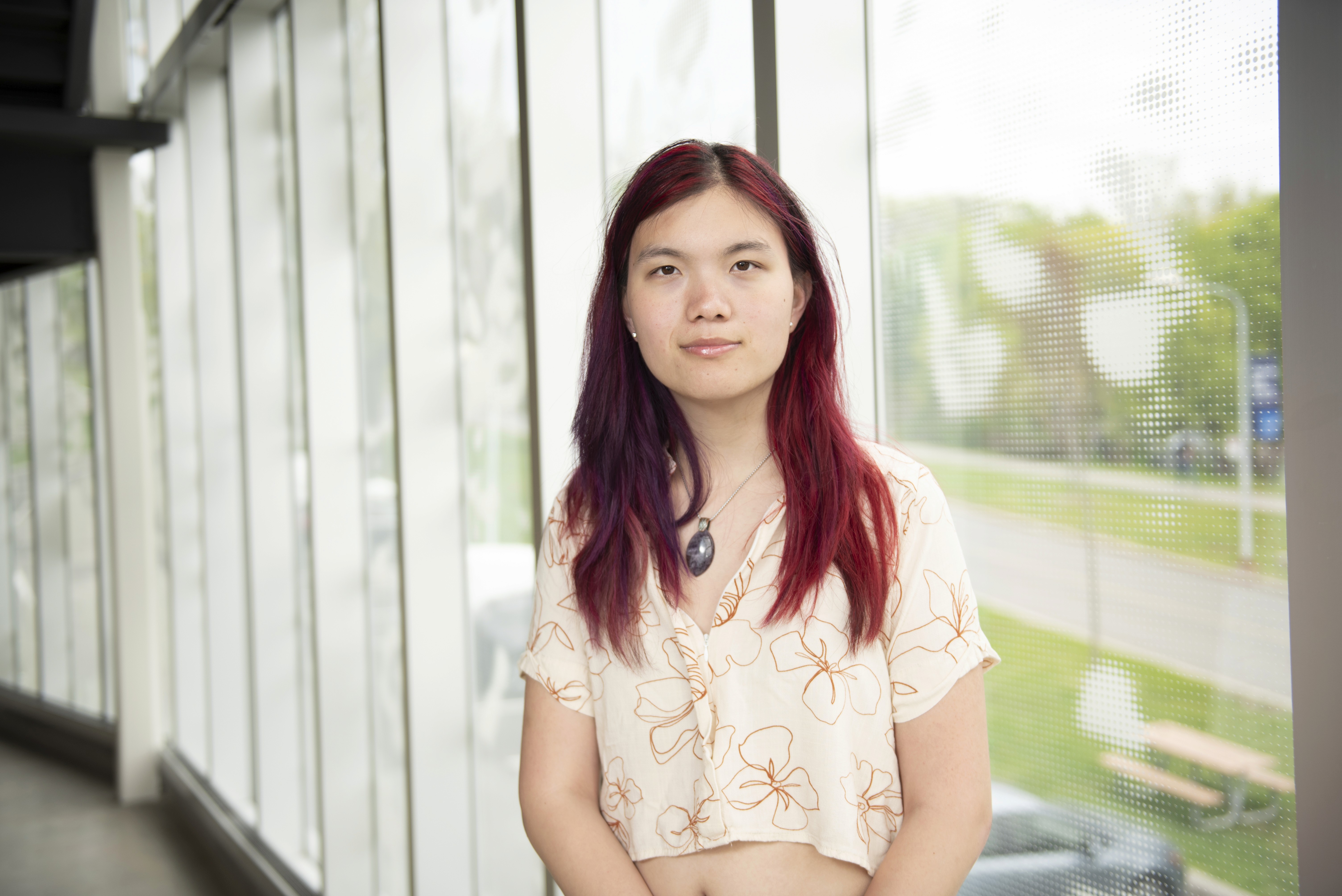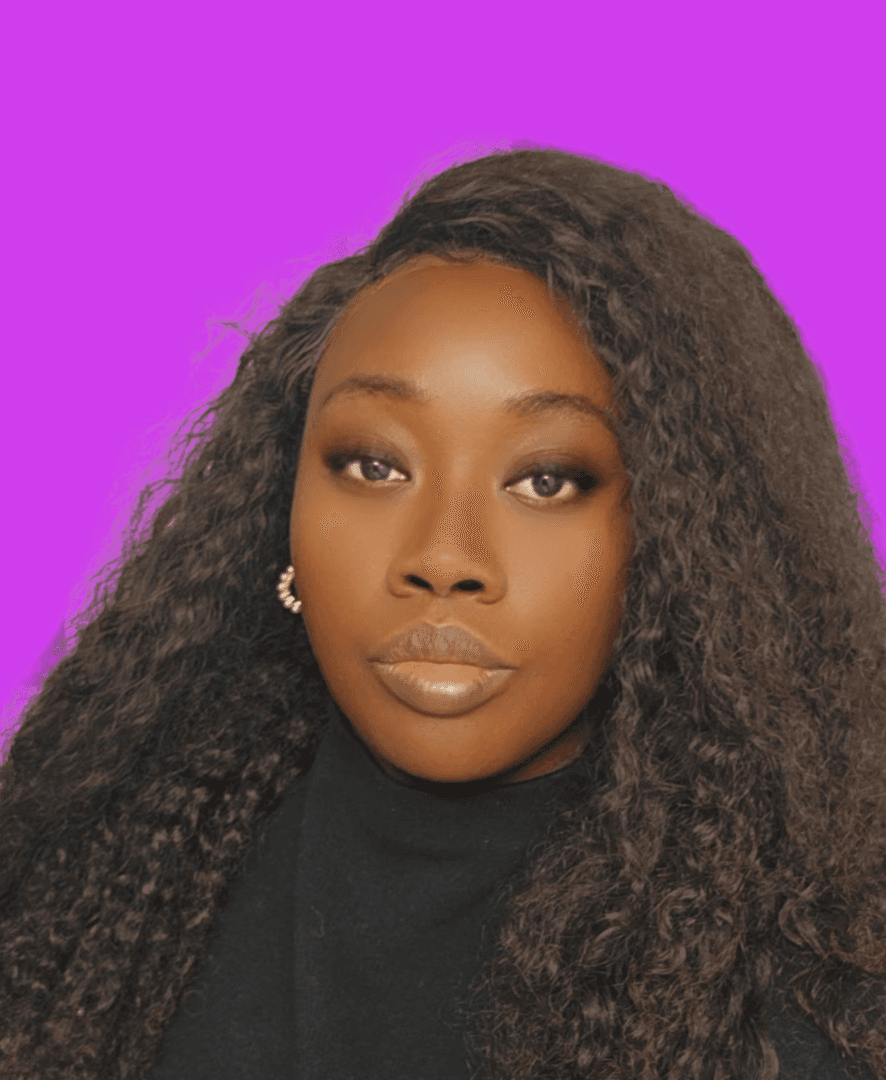
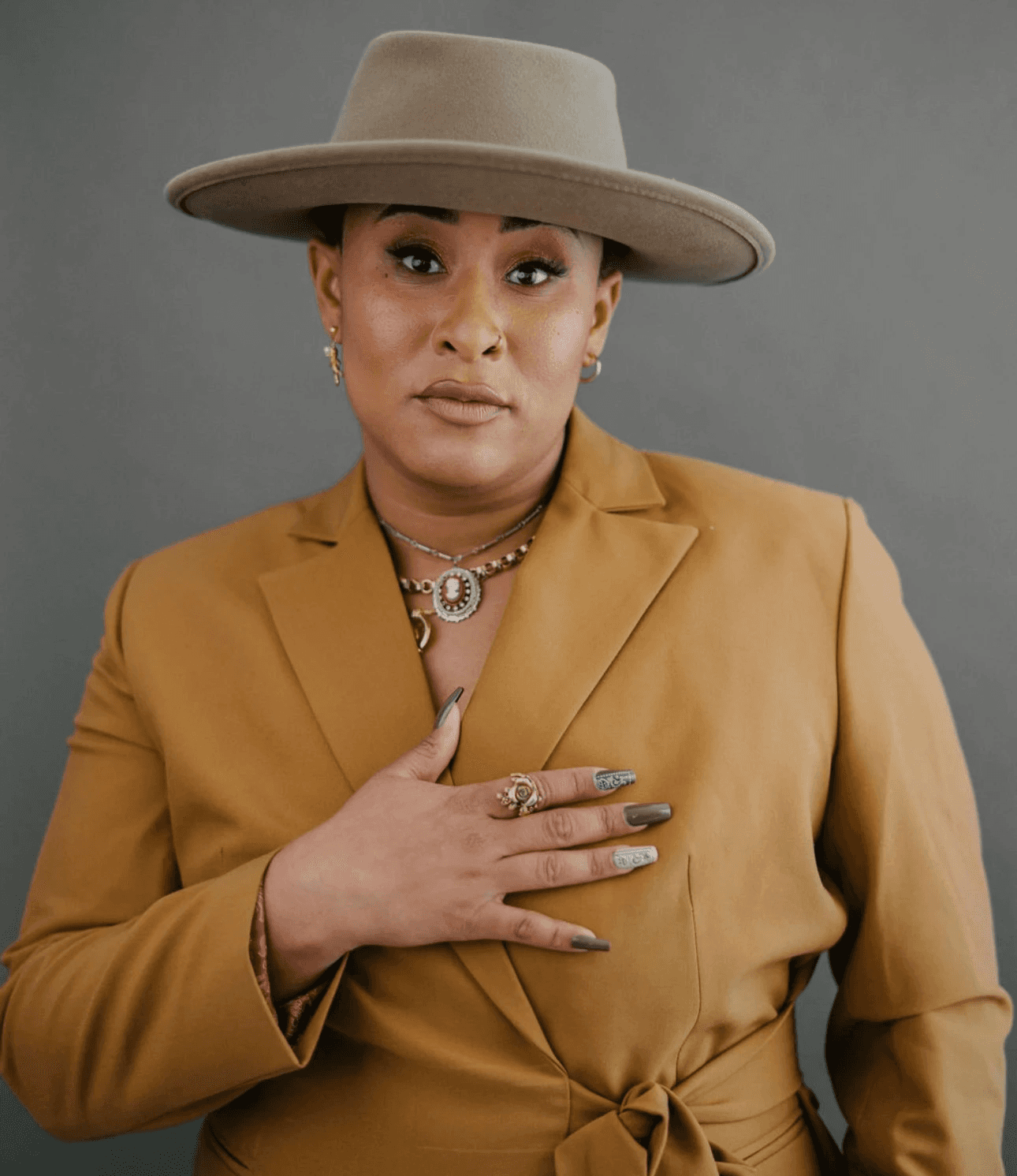
There’s a rhythm to Mariah Barber’s leadership—steady, intuitive, unapologetically theirs. It hums beneath the surface of their voice when they speak about healing. It pulses through the platforms they’ve built as a global health professional, social scientist, and unapologetic advocate for disabled and chronically ill communities. It lives in the quiet power of Invisible Strengths, the wellness app and movement Mariah created not just to make space—but to reclaim it.
At 31, Mariah (they/she) is rewriting what it means to lead. Not despite disability, but because of it. Not in theory, but in motion—at protests, in boardrooms, on stages, and in healing circles. As CEO of Invisible Strengths, Mariah has cultivated a platform where people with non-apparent disabilities and chronic conditions can see themselves not just as patients—but as protagonists, professionals, and power-holders.
“Some people do. Some people never do. Some people overdo. How do you do?” — a mantra passed down from Mariah’s great-grandmother, Mary Parks
For Mariah, this isn’t just an app. It’s ancestral. Personal. Political. Invisible Strengths exists in response to a world that still renders disabled people—especially Black, queer, and chronically ill ones—invisible. Through affirmations, wellness prompts, education, and curated community content, the platform is part refuge, part rebellion. Their social handles (@invisiblestrengthsapp and @beyondyourdefinition) pulse with sharp critique and soft, grounding rituals.
Mariah’s journey is layered. Trained as a global health researcher and social scientist, their academic work has taken them across borders—but their compass always returns to the body: Who is believed? Who is cared for? Who is punished for surviving?
They’ve turned those questions inward too. In interviews and keynotes, they name the cost of overfunctioning. Of Black excellence as trauma response. Of being both the “first” and the most exhausted in rooms built for none of us. Their visibility isn’t performative—it’s strategic, spiritual. Mariah shares just enough to pull the thread and let others unravel into their own truths.
Their advocacy also extends into tech. Mariah is actively breaking down barriers of entry into the tech sector, having created over 15 paid roles for underrepresented individuals across race, gender, and sexuality. Through summer fellowships with HBCUs like Howard University and Winston-Salem State, and partnerships with institutions like Georgetown Law, Invisible Strengths is not only disrupting wellness—but diversifying tech and legal spaces from the inside out.
What makes Mariah singular is not their résumé (though it’s stacked). It’s their refusal to abandon softness. Their knowing that slowness is not failure. That interdependence is not weakness. That justice isn’t a moment—it’s a rhythm. A return.
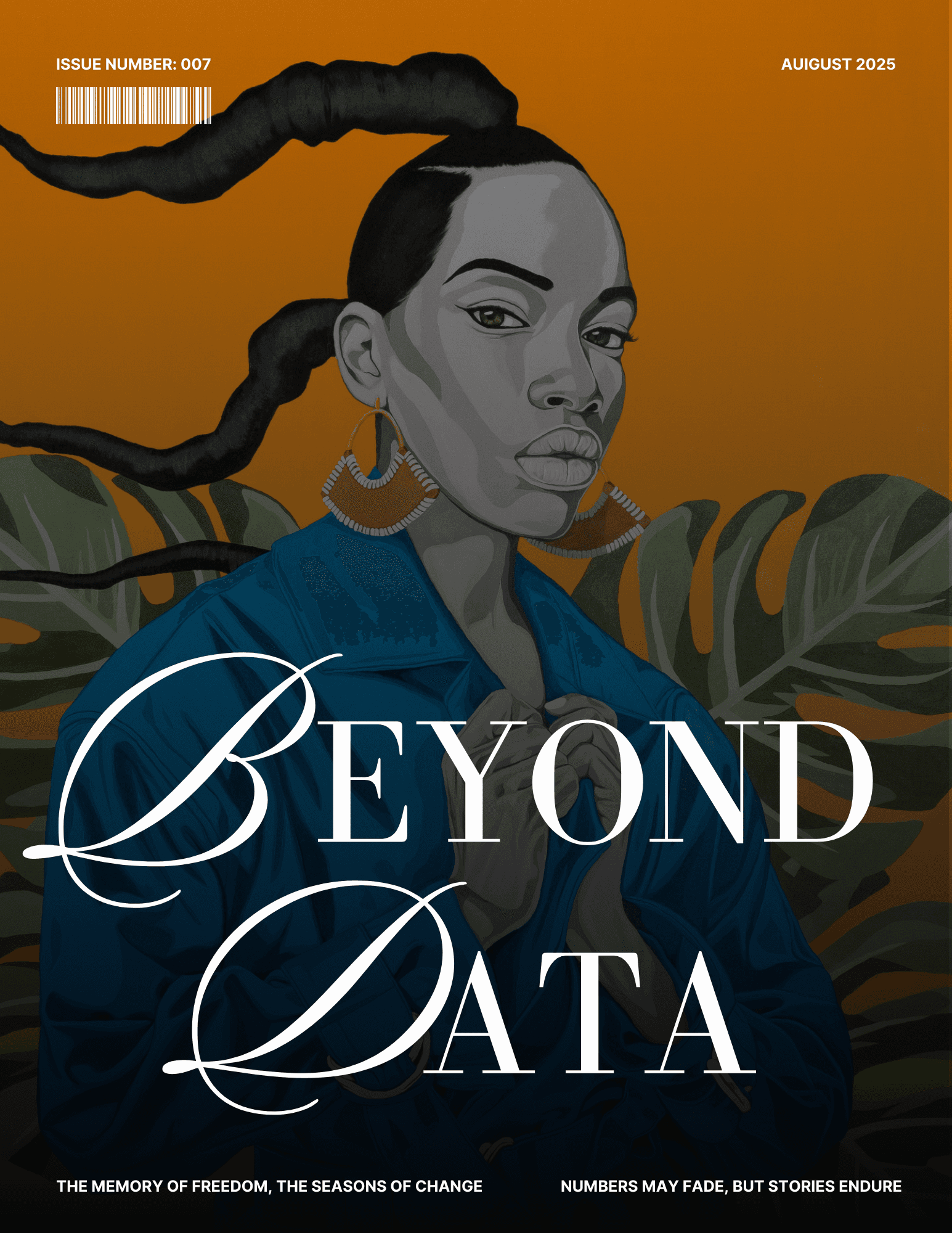
As Beyond Data releases its June issue centered on Pride and fatherhood in all its queer, trans, chosen, and complicated forms—Mariah’s work offers another framing: What do we inherit beyond bloodlines? What do we build when the world doesn’t see us?
Mariah is building anyway. Building a movement that says your pain doesn’t have to be palatable to be valid. That healing is data. That softness is survival. That a quiet "How do you do?"—can be a revolution.