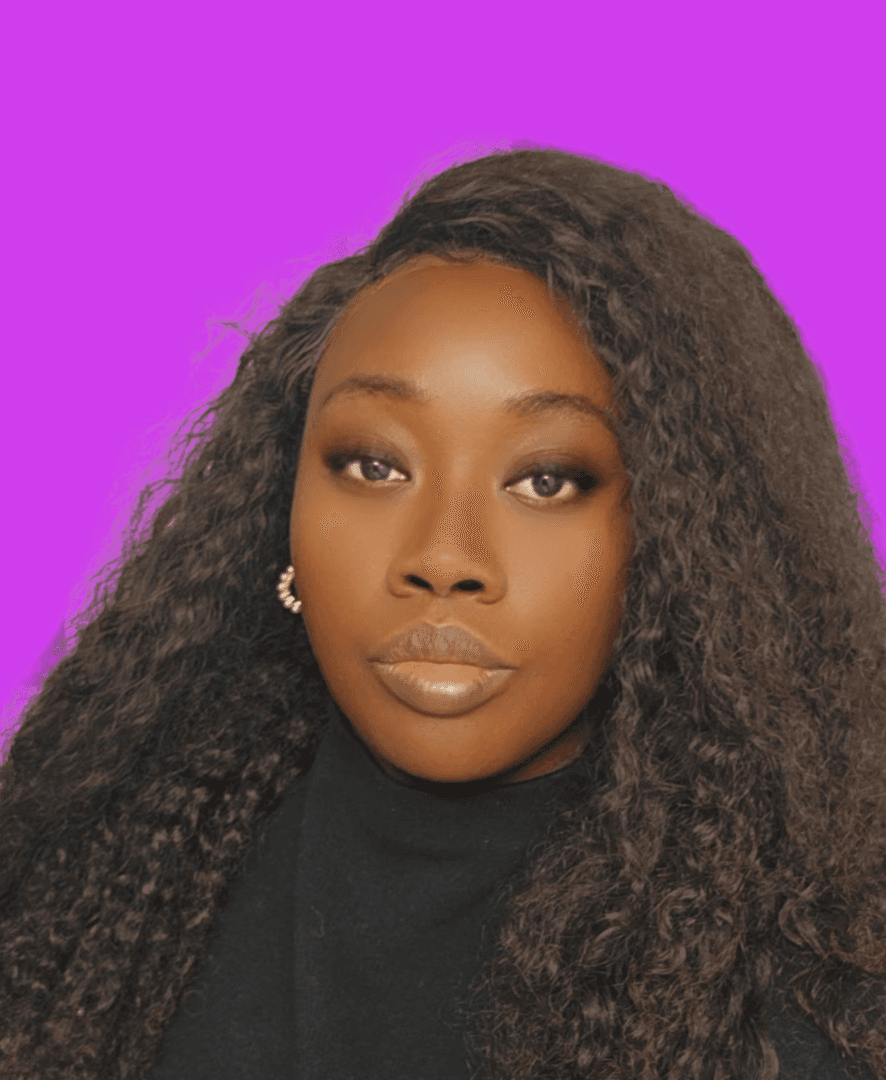
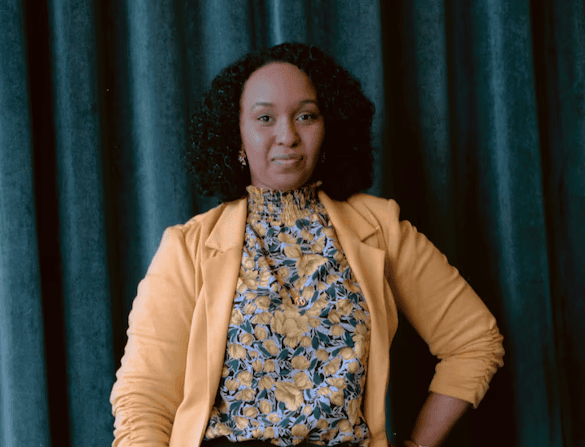
FEATURE STORY: HANNAH YOHANNES
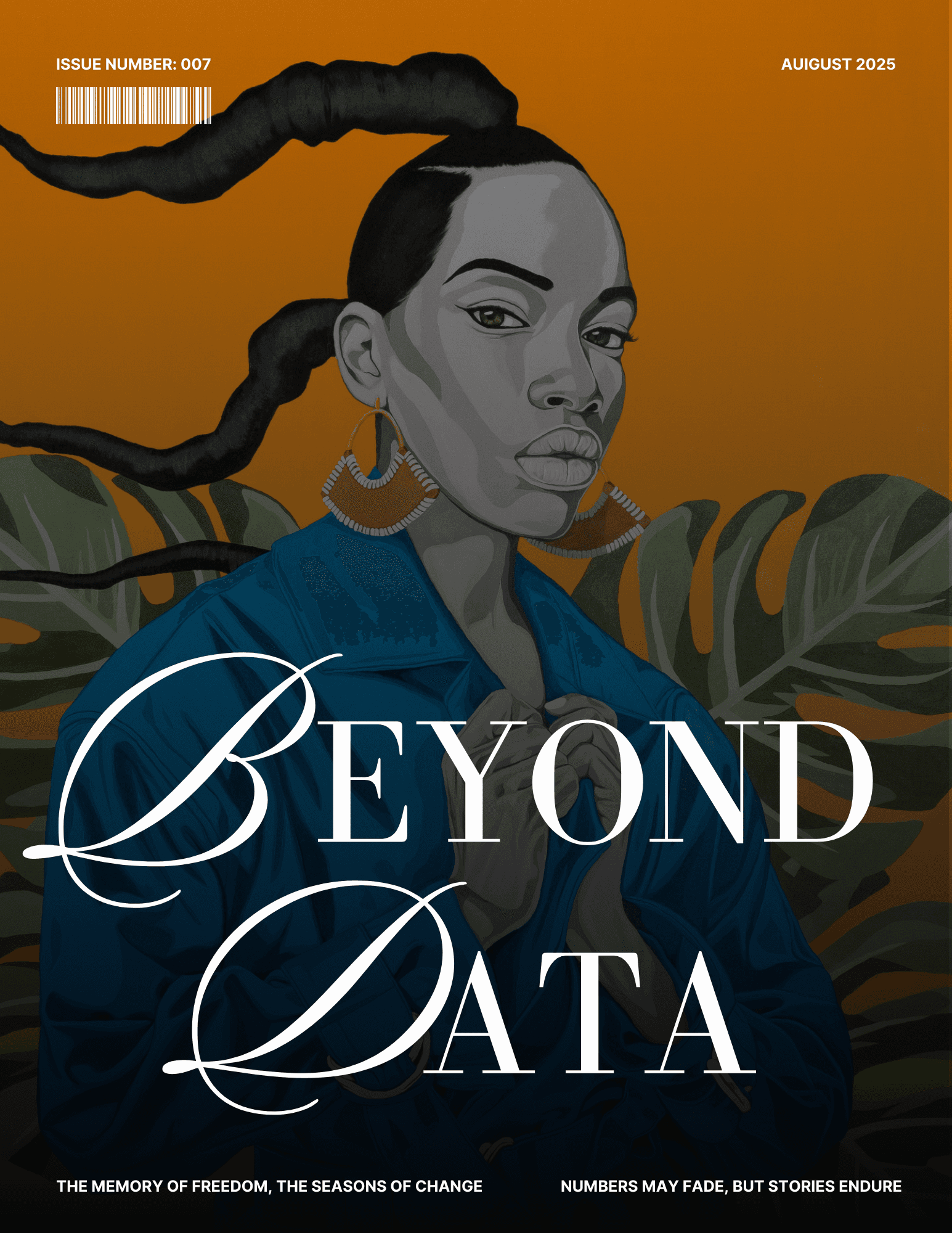
Photograph by Vonny Lorde | Instagram: @Hannah_Yohannes | Pronouns: She/Her
“The moment we choose to love we begin to move against domination, against oppression. The moment we choose to love we begin to move towards freedom, to act in ways that liberate ourselves and others.”
— bell hooks
For filmmaker and director Hannah Yohannes, love is not passive. It is not decorative or diluted. It is defiant. It is precise. It is a radical act that sits at the heart of her cinematic practice.
Every story she tells begins here.
“My camera is not neutral,” Hannah says. “It is an instrument of care.” And in her hands, the lens becomes a portal for possibility — framing Black life not through the gaze of trauma or tokenism, but through the richness of joy, grief, nuance, and complexity.
Hannah refuses to flatten her subjects into archetypes. Instead, she creates space for what is often left out: the messiness, the laughter, the contradictions. Her images are declarations that Blackness does not need to be explained or justified. It simply is — textured, specific, and infinite.
As a director, her acts of resistance live in every decision. In casting underrepresented faces in leading roles. In lighting that dignifies every shade of Black skin. In refusing to dilute the truth for the sake of comfort. In choosing collaborators who understand that authenticity is not a trend — it’s a commitment.
This ethos of care also shapes how Hannah leads. On set, she fosters environments where respect replaces fear, where every role — from production assistant to lead actor — is valued as essential. Her leadership, like her art, is grounded in love that empowers.
“I choose love because love is the most radical, subversive force we have,” she shares. “Love refuses to erase. Love makes us see one another clearly — and once you see someone, you cannot unsee their humanity.”
For Hannah, liberation means more than representation — it means possibility. It means a young Black girl watching her work and seeing a reflection that feels expansive, not exceptional. It means crafting stories without asking for permission. It means imagining a future where our narratives are not filtered through whiteness before they are deemed valuable.
This commitment is deeply personal. After her father passed, Hannah inherited more than his passion for art — she inherited his unfinished dreams. Every frame she directs is part tribute, part continuation. A promise that his vision — and those of so many before him — will not be forgotten, but amplified.
Directing, for Hannah, is not just a profession. It is a political act. A spiritual act. A daily choice to love, to resist, and to liberate.
And in doing so, she does not just tell stories. She expands what’s possible.