Feature Story: Ra'anaa Yaminah Ekundayo
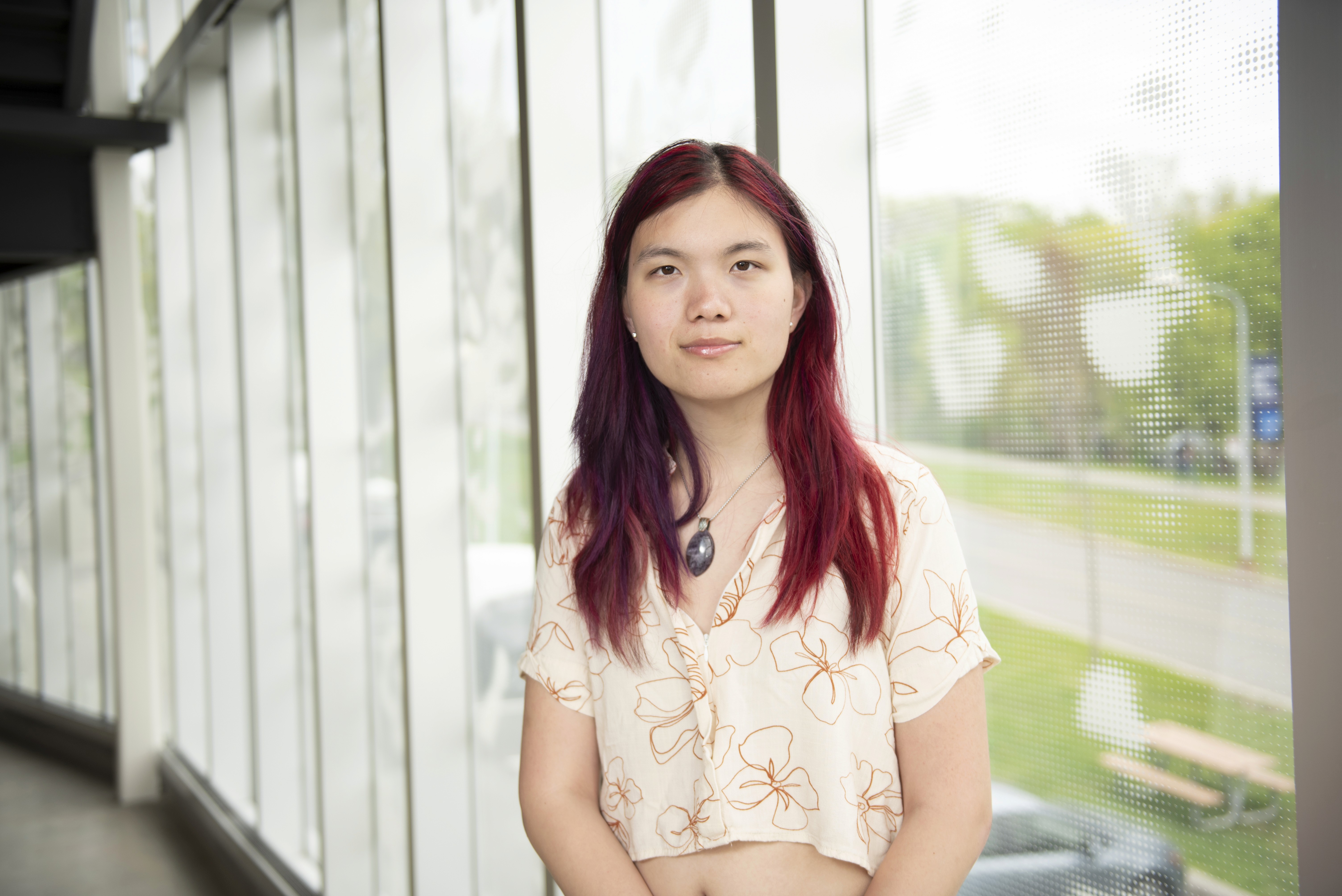
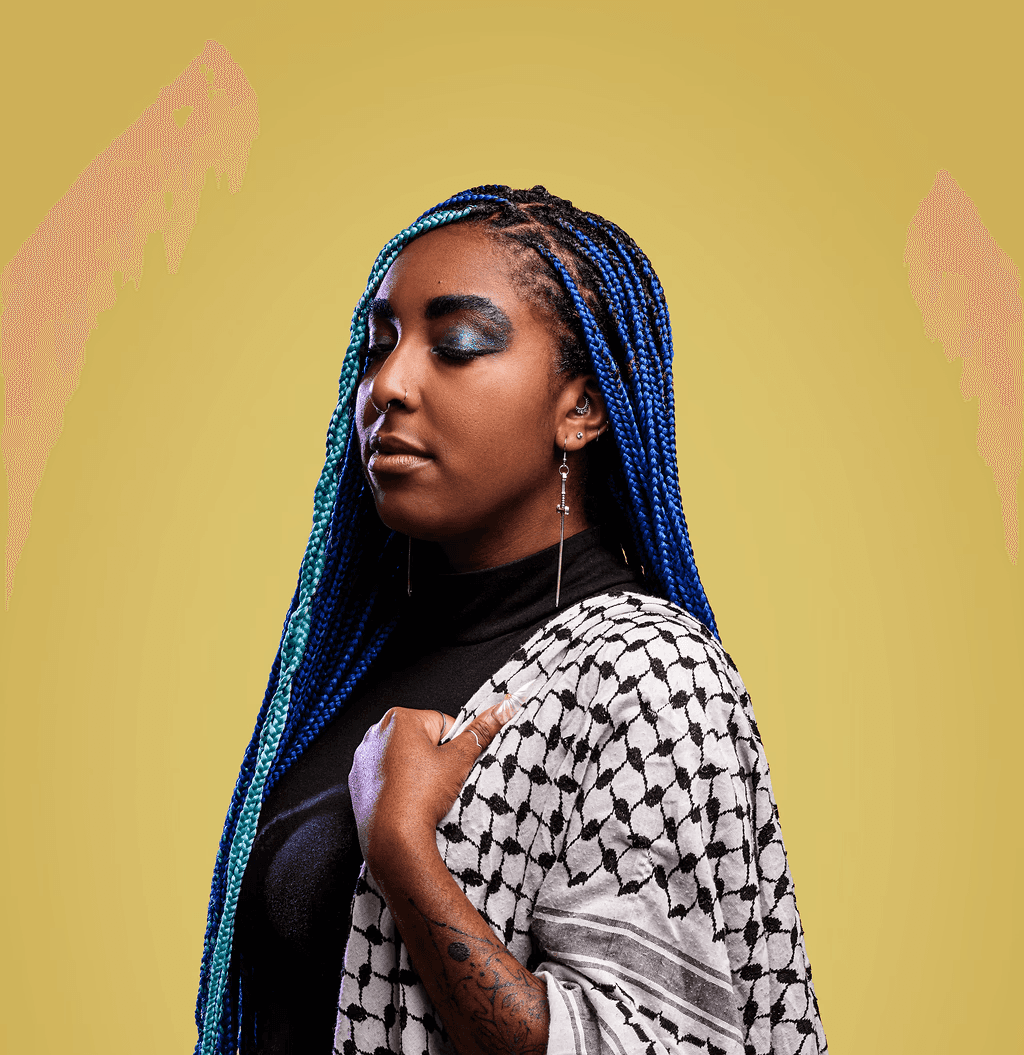
Photograph by Nicolas Debrosse | Pronouns: They/Them | LinkedIn: Ra’anaa Yaminah Ekundayo
Every single line means something. — Jean-Michel Basquiat
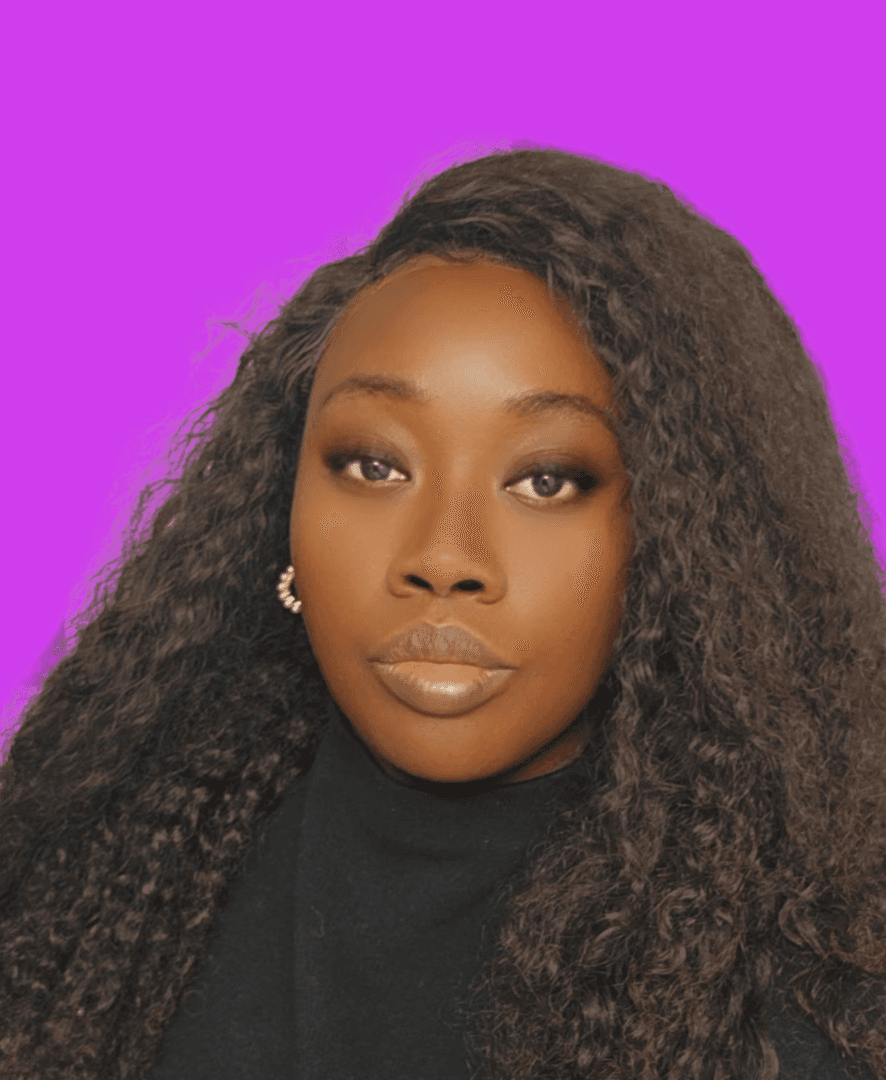
In a world that demands ceaseless productivity and hyper-visibility, Ra’anaa Yaminah Ekundayo dares to say no to these expectations. Not as an act of avoidance, but as an intentional mode of preservation. Their refusal to be constantly available is a radical declaration: I am not here for your consumption.
Born in Ontario, Ra’anaa is a multidisciplinary artist, creative strategist, and cultural worker whose work spans across film, fashion, Afrofuturism, and diaspora studies. They live at the intersections of Blackness, queerness, transness, and non-conformity—and they’ve made these intersections into fertile ground for creation, collaboration, and critique.
Currently in Colombia on a residency, Ra’anaa’s practice continues to expand globally while remaining deeply rooted in community and care. Whether curating public art installations or producing an award-winning short documentary, their work defies the boundaries imposed by institutions and insists on new ways of being — ways where rest, pleasure, and refusal are not only valid but sacred.
“Tricia Hersey talks about rest as resistance, particularly for Black women whose labour continues to be expected and exploited,” Ra’anaa shares. “My resistance is self-care. It's going to the spa, turning off my phone, and reminding the world that I am not at its beck and call.”
This is not a retreat. It’s a refusal. A reclamation.
Ra’anaa’s creative journey cannot be separated from their political one. Inspired by thinkers like Angela Davis, Ra’anaa draws strength from Black radical traditions, but also refuses to be confined by them. “Liberation is non-conformity,” they say. “It’s questioning the system and the state, and coming to my own conclusions.”
Their understanding of resistance is both intimate and expansive. It includes the quiet boundaries set in private moments and the public assertions of identity in unsafe spaces. It is rooted in refusal—refusing to make oneself palatable, refusing to dilute one’s art or politics, refusing to explain the fullness of one’s humanity to an audience that may never understand.
“To resist is to know that this world was not built for me,” Ra’anaa says, “but to carve out a space where I belong, where Black trans queer people are protected and cared for. Resistance is Afrofuturism, it's abolition, it's abundance.”
Abundance is a recurring theme in Ra’anaa’s life and work. Whether it’s the textures in their writing or the layered symbolism in their photography and curation, their art speaks in multiplicities. It resists scarcity and the reductive narratives so often imposed on people at the margins. Instead, it insists that we are already whole. Already enough. Already divine.
Their website bio speaks volumes about the ethos behind their practice:
“Ra’anaa Yaminah Ekundayo is a Tiohtià:ke (Montreal, QC)-based emerging multimedia visual activist scholar whose work explores the intersection of art and activism, particularly the entanglement of Black identity, community, and futurity. Co-founder and Chair of Black Lives Matter Sudbury, they are a Black queer cultural curator with a master’s in architecture and are currently pursuing a SSHRC-funded PhD in art history at Concordia University.”
This isn’t a résumé — it’s a roadmap. One that points toward liberation not just as a goal, but as a lived, daily ritual.
Ra’anaa has lent their vision and leadership to transformative projects that center collective memory and future possibility and they understand the necessity of building outside traditional gatekeeping systems.
And still, amid all the accolades, their most radical act remains simple: they rest.
In a society that equates worth with output and demands constant visibility from Black trans artists while offering little in return, Ra’anaa’s choice to center rest and pleasure is revolutionary. It’s not about escape — it’s about embodiment. Being fully present in one’s truth. Allowing joy to flourish even in hostile soil.
So when Ra’anaa turns off their phone, walks into a spa, or takes a breath between projects, they are not opting out — they are opting into a future where they, and all those like them, are free.
Free to love. Free to imagine. Free to resist. Free to exist.
Ra’anaa Yaminah Ekundayo is not waiting for the world to catch up. They are already building the one they want to live in.