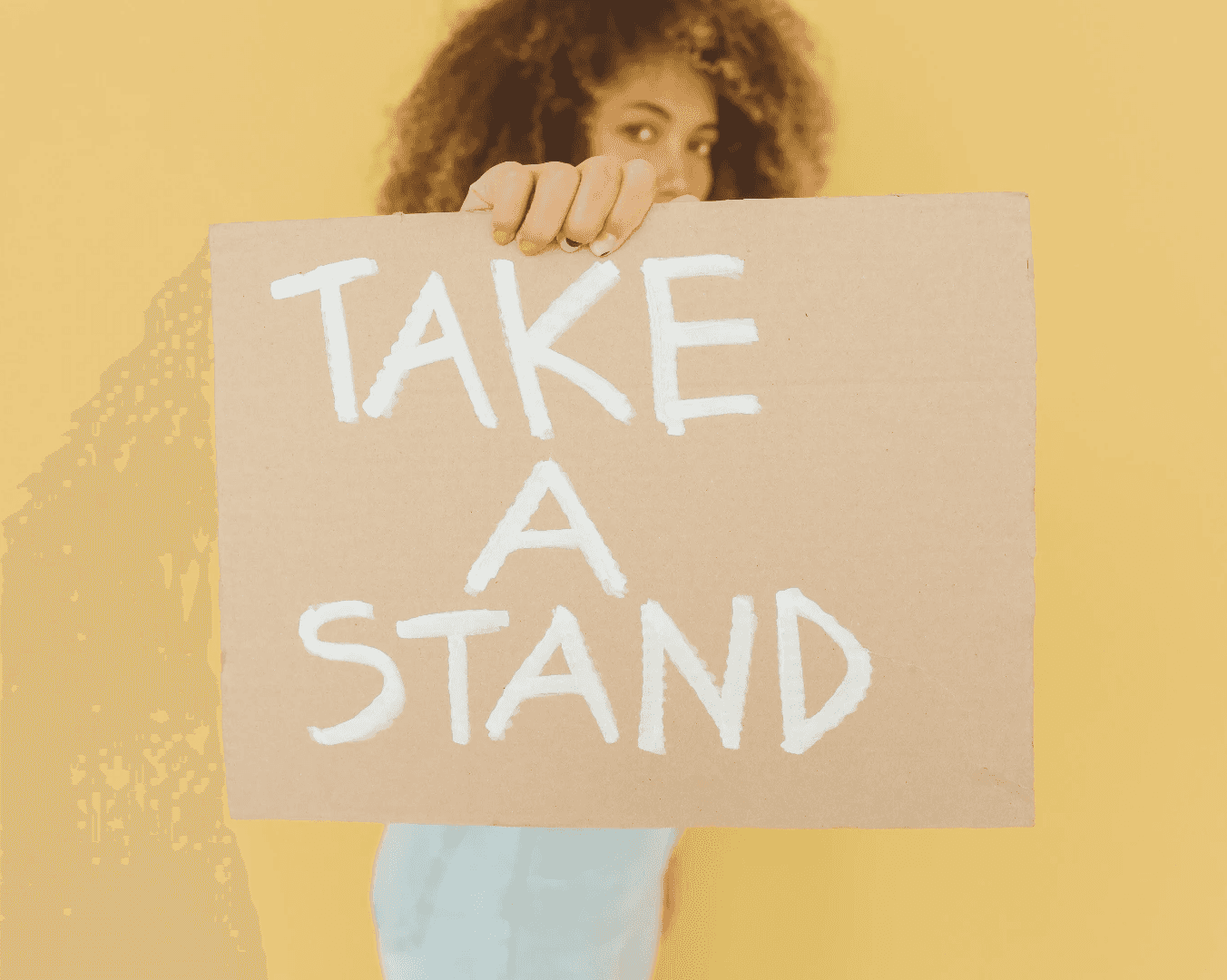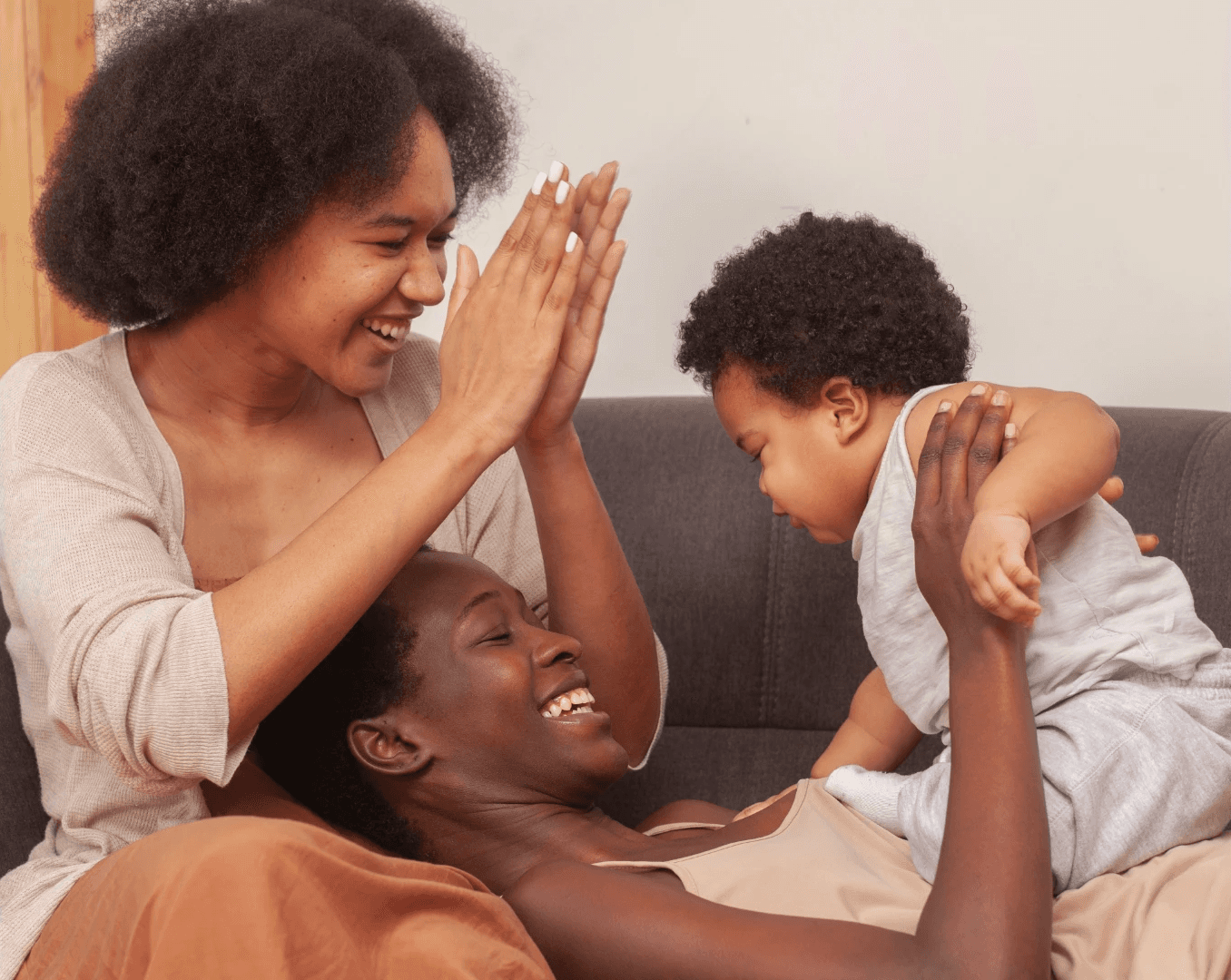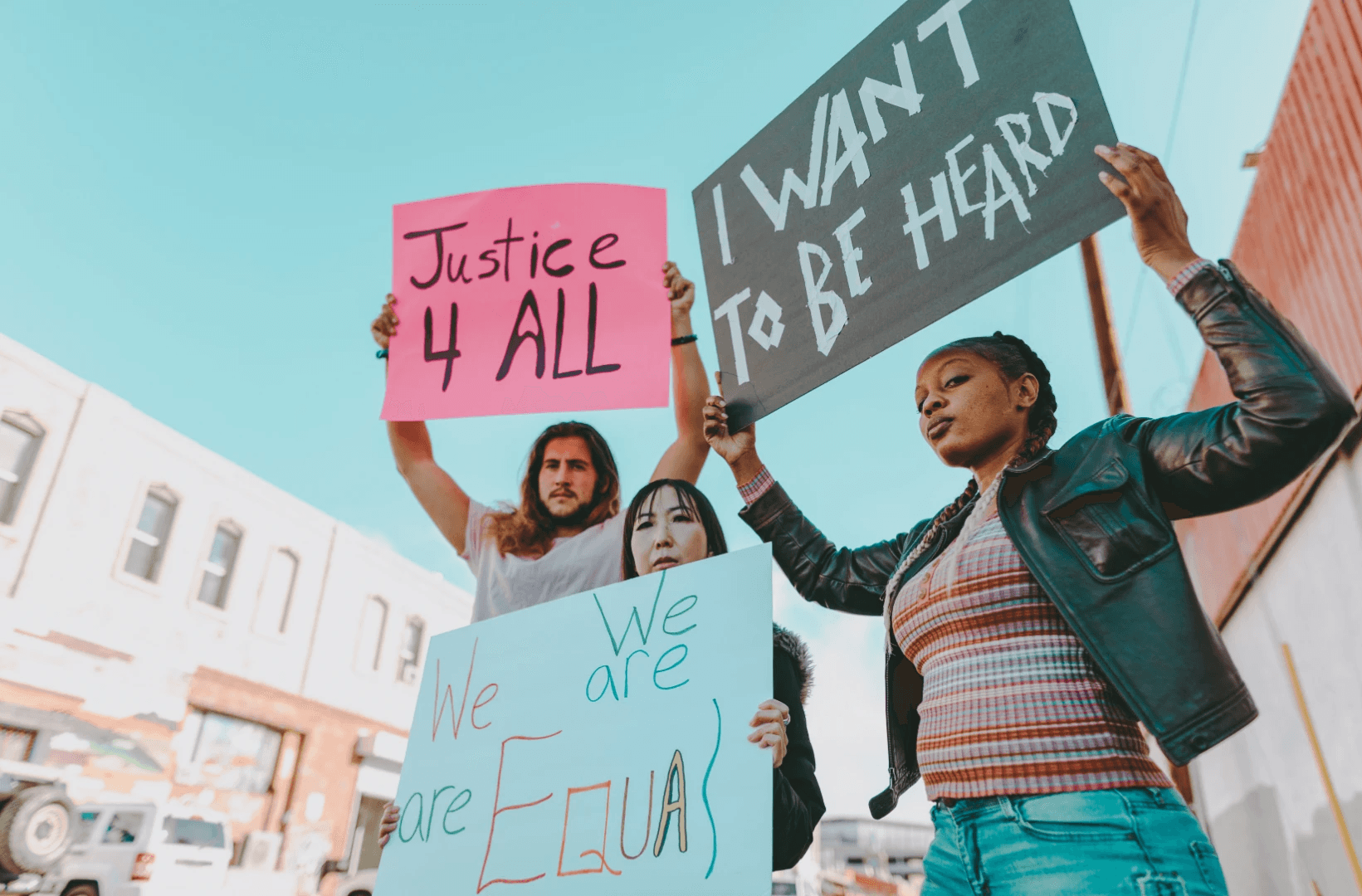

Family formation is shifting. Quietly but steadily, people around the world are expanding the boundaries of what it means to parent, to love, to belong. In 2024, global adoption rates declined slightly, but more 2LGBTQIA+ households across North America are pursuing parenthood through surrogacy, adoption, and assisted reproduction—a rise reflected in recent studies by Family Equality and the Williams Institute. This shift transcends demographics and enters the realm of culture.
Behind these figures are stories of bold decisions. Surrogacy and adoption represent intentional, often challenging, routes to building a family. For many individuals, these pathways are the only viable options due to legal, medical, or social circumstances. But for most, they are also a reflection of something deeper: a belief that love, not biology, defines kinship.
Consider the reality of surrogacy: legally complex, financially burdensome, and often emotionally charged. In Canada, altruistic surrogacy is legal but highly regulated. Fewer than 10% of intended parents find a surrogate through agencies. The rest rely on personal networks, online platforms, or years of waiting. Yet every successful match is a quiet revolution—a person choosing to carry for someone else, and another trusting them with their most intimate hope.
Public stories have helped to destigmatize these journeys. Ms. Rachel, a beloved early childhood educator known for her online platform, recently shared her surrogacy journey with honesty and vulnerability, highlighting the emotional layers and logistical barriers faced by families who choose this path. Similarly, singer and entrepreneur Kandi Burruss has spoken openly about using a surrogate after facing pregnancy complications. Their stories underscore a crucial truth: surrogacy is a courageous, complex, and deeply personal route to parenthood. Adoption carries its own layered terrain. Public and private systems vary drastically in process and cost. International adoptions are increasingly limited by geopolitical tension, while domestic placements often require navigating racial bias, heteronormative assumptions, and class-based scrutiny. Yet thousands of families persist, reshaping lineage with intention.
In the Caribbean, where formal systems can be slow and underfunded, informal adoptions remain common. Census data consistently undercounts these realities. In rural Trinidad, for example, over 8% of children live with non-parent relatives, most without formal guardianship. In Jamaica, community caregiving models have sustained generations.
The numbers trace the outlines, but the human stories fill them in. Surrogacy, once seen only through a clinical or contractual lens, is increasingly viewed as a radical act of community care—a shift echoed in grassroots networks from Toronto to Port of Spain, London to Lagos. Adoption, too, reflects more than a bureaucratic process; it reveals the intricate ways families are stitched together across courtrooms, countries, and cultural expectations. Across the Caribbean, Africa, the UK, and the wider diaspora, the lived realities of carrying and claiming hope—whether through formal processes or informal bonds—continue to stretch and redefine what it means to build family against the odds.
Their experiences are not isolated anecdotes—they are living proof that surrogacy and adoption are not margins in the story of family; they are central chapters in the broader evolution of how we define belonging.
We are living in a time where people are refusing inherited definitions of family and choosing ones that fit. Surrogacy and adoption are not secondary options—they are testaments to creativity, persistence, and the radical act of building love on purpose.
Because in the end, family isn’t just who raises you. It’s who chooses you, fights for you, and stays.
“Family is made, not mandated.”