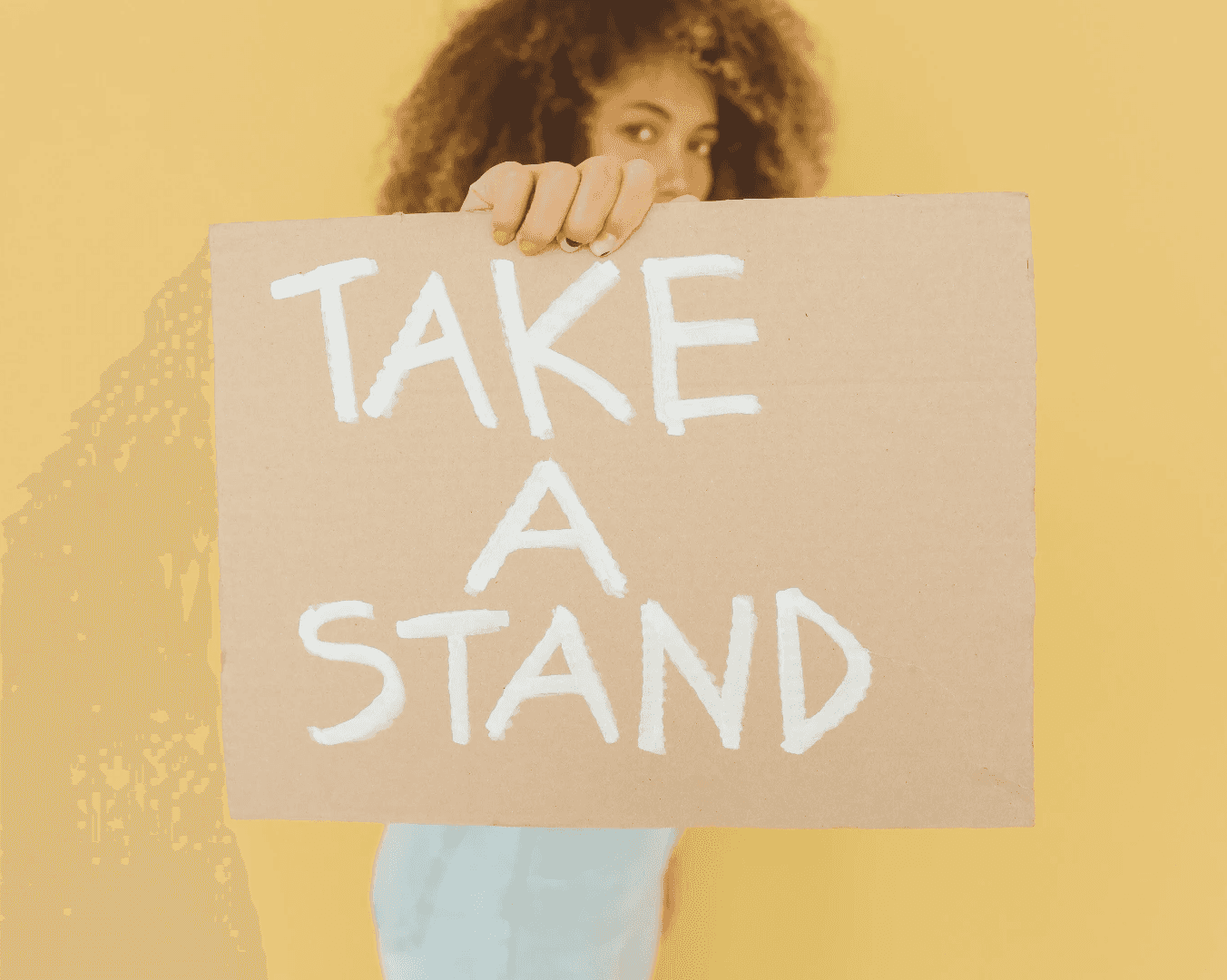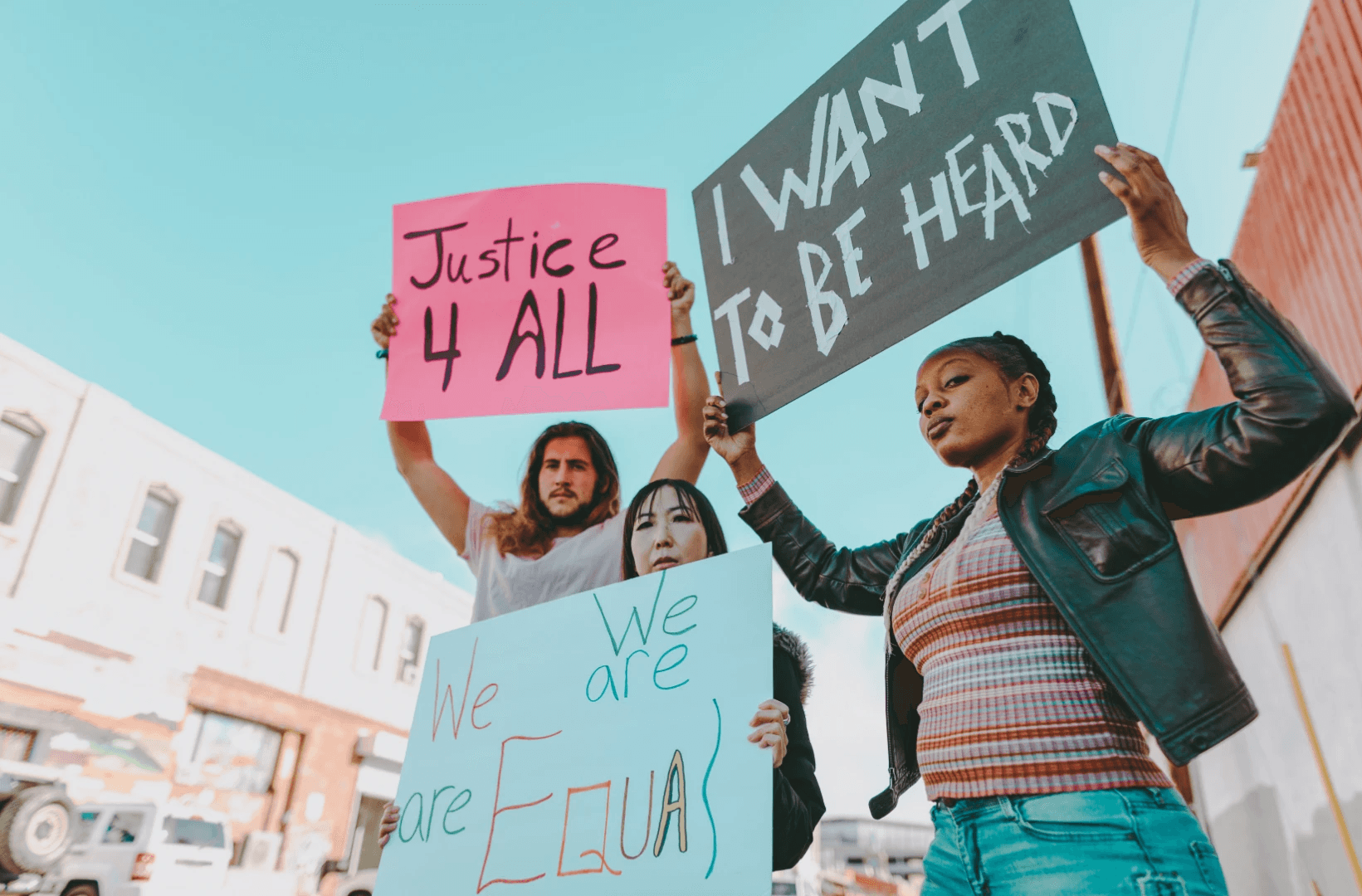
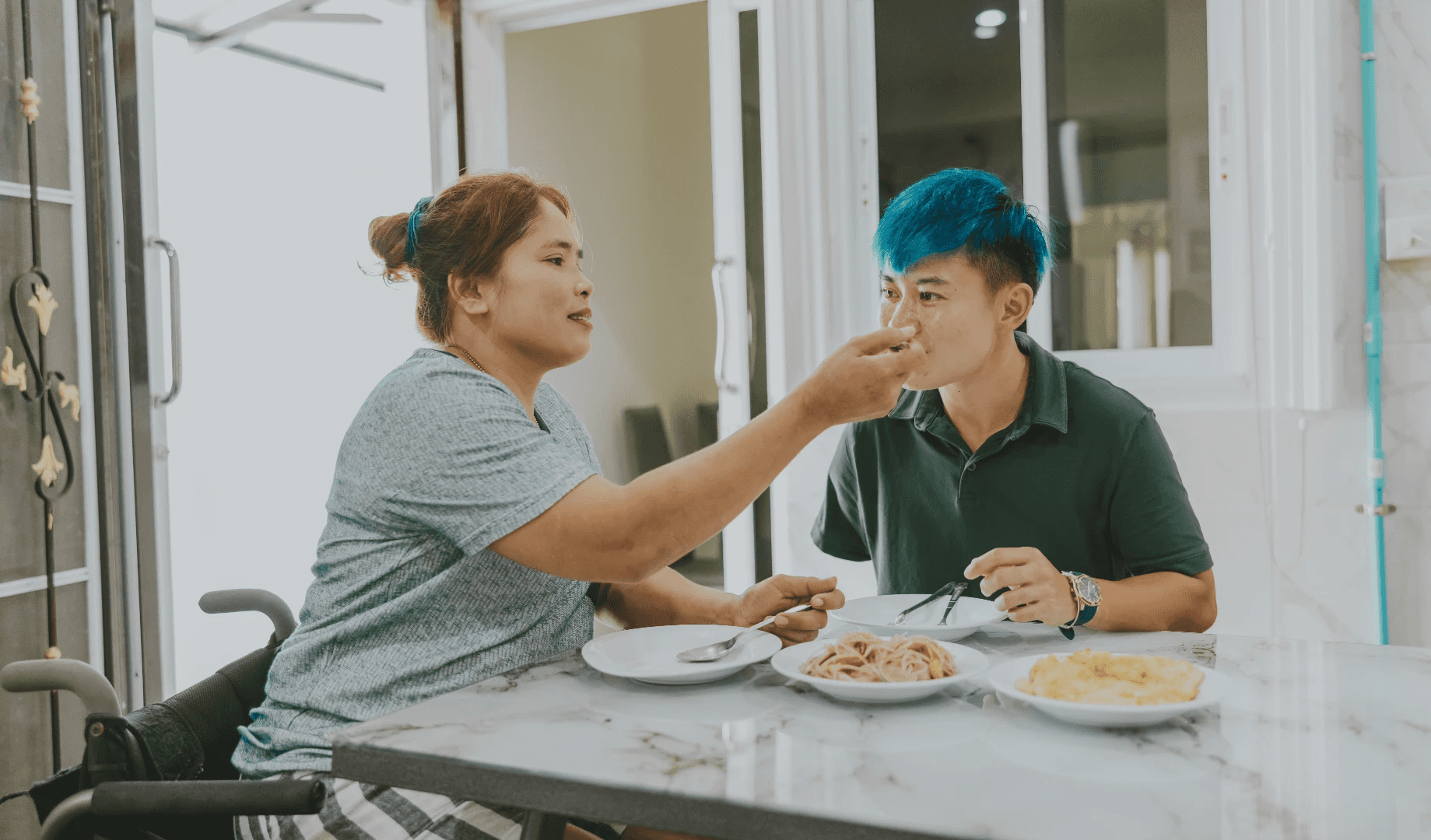
Being young and queer right now feels like trying to breathe underwater—watching systems collapse around us, while adults argue about whether we're even real.
"Data" has always been a weapon they pointed at us—wrong labels, wrong questions, wrong bodies held under microscopes by people who were never on our side. Climate change is torching everything we were supposed to inherit. Wars we didn’t vote for are devouring futures we barely had a chance to imagine. Pandemics come and go like bad headlines. Some days it feels like we’re being handed a broken world wrapped in a warning label: "Good luck, kids."
And yet—we’re still dreaming.
We’re mapping danger zones and safe hugs. We’re coding "they/them" into the architecture of new systems they can't erase. We’re rewriting the questions to ask: Who makes you feel alive? Where does your joy live? What does safety look like when no one builds it for you?
We don’t just want stats about who hurts us. We want archives of who saves us—best friends, queer elders, mutual aid threads, strangers who leave water and hope in desert crossings. We want data that holds both the cracked open grief and the feral joy of choosing to stay alive.
The data we dream about isn’t sanitized. It’s messy, angry, sacred—like late-night group chats, thrift store armor, hand-stitched banners carried through streets that don't want to see us.
We’re not checking their boxes. We’re shredding the whole form.
Maybe the world they built is ending.
Good.
Because in the ashes, we're coding something they can't control.
The future of data? It's glitchy. It's breathing. It's angry. It's queer without a permission slip. It's the blueprint of survival written by the kids they tried to forget—and couldn't.
And guess what?
We’re not just here.
We're the architects now.