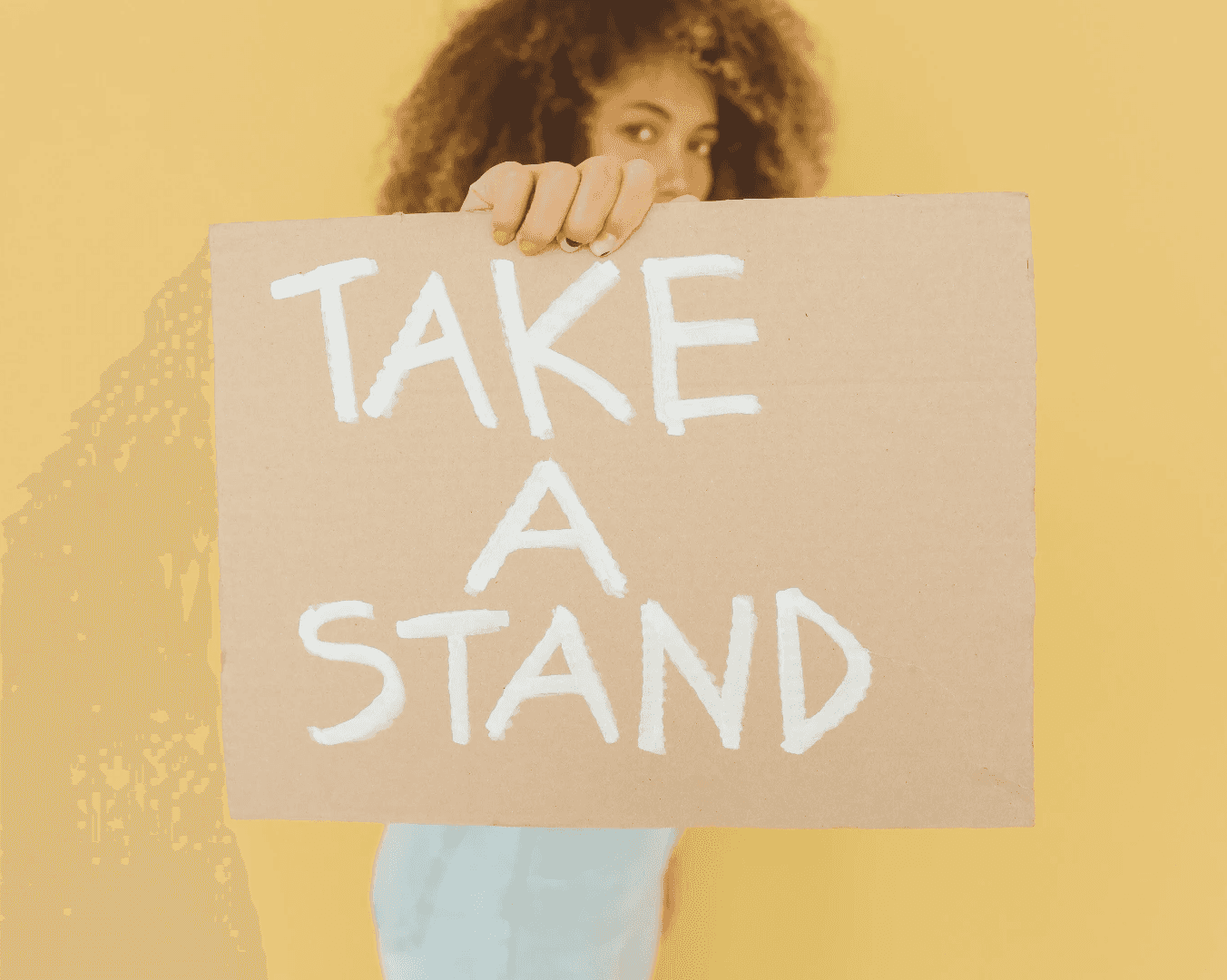
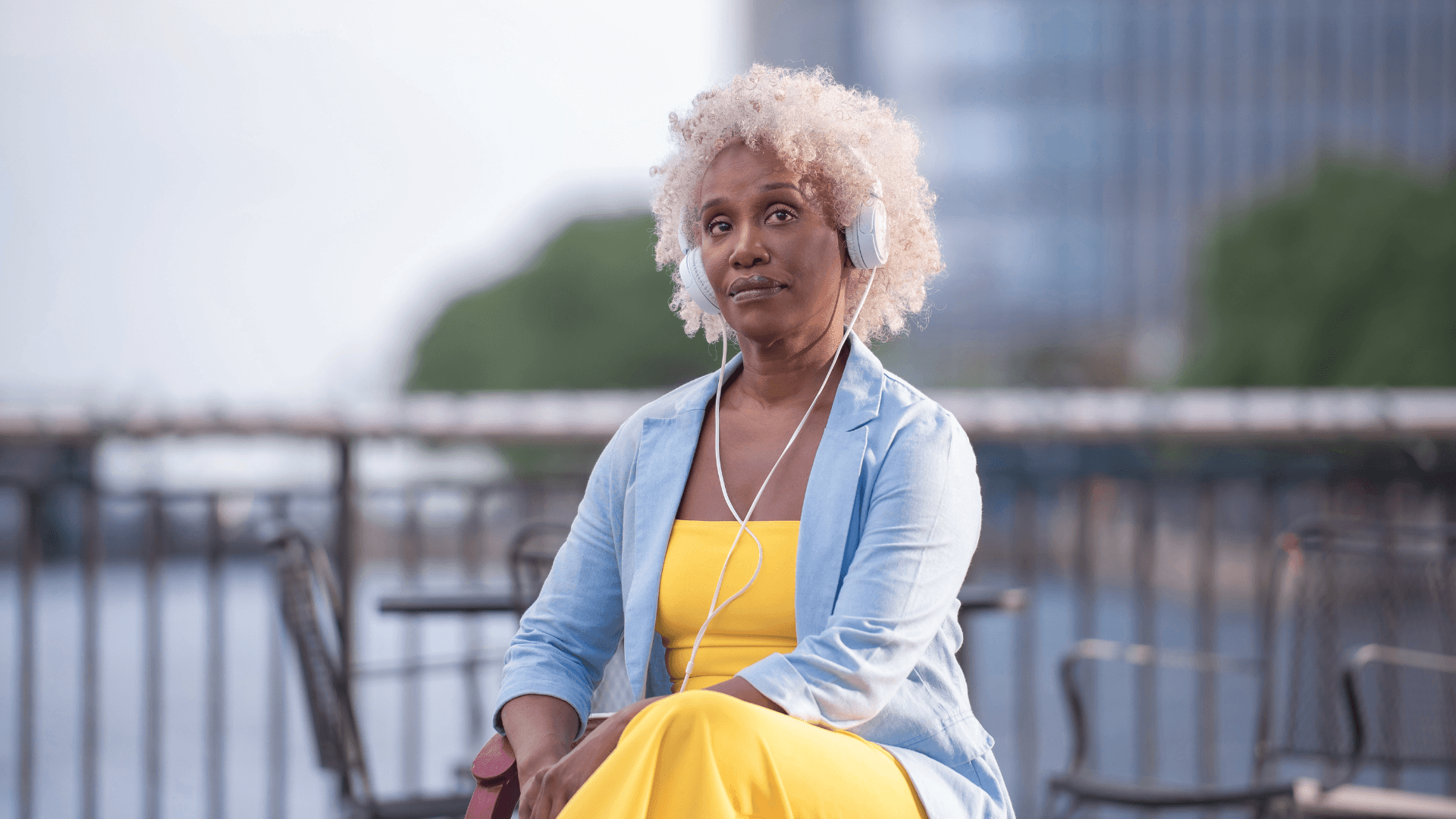
Breaking the silence on Black women’s reproductive pain, this piece reclaims worth beyond motherhood and calls for a world where healing, not endurance, is the norm.
Growing up Black and female often means learning to endure pain in silence. For many Black women, reproductive health challenges such as intense menstrual pain, heavy bleeding, or conditions like fibroids, endometriosis, and polycystic ovary syndrome (PCOS) are dismissed as normal. What society fails to recognize is that these aren’t “just bad cramps” but debilitating conditions that affect daily life, fertility, and mental health.
For years, young Black girls have been told to toughen up, to pray about their pain, and to accept their suffering as part of life. In many cases, this silence is perpetuated by cultural and familial norms that discourage discussions about reproductive health. Seeking medical attention can feel like a betrayal of resilience, and more often than not.
Black women’s pain is underestimated or outright ignored by medical professionals. Studies have shown that Black women are less likely to receive adequate pain management and are more likely to have their symptoms dismissed, leading to delayed diagnoses and treatment. This issue extends far beyond medical concerns, revealing a systemic disregard for the health and autonomy of Black women.
Women are encouraged to pray for healing instead of seeking medical advice. Discussions about infertility or childlessness are taboo, as motherhood is often seen as a divine calling. In this context, childlessness can feel like a personal, spiritual, and communal failure.
But what happens when faith does not provide answers? For many women, the tension between religious beliefs and the reality of their bodies creates a profound sense of guilt and isolation. It becomes difficult to reconcile the idea of a loving God with the physical pain, emotional exhaustion, and societal judgment that come with reproductive challenges.
For Black women, the stigma of childlessness is particularly heavy. In many cultures, motherhood is seen as the ultimate fulfillment of womanhood, a rite of passage that validates one’s existence. Aging out without children often invites unsolicited pity, judgment, and the assumption that something is “wrong” with you. The reality, however, is that the pathway to motherhood is not the same for everyone. For those who struggle with infertility or health issues, the journey is fraught with heartbreak, medical interventions, and societal pressure. For others, the decision to remain childless is a deeply personal one, yet it is often met with criticism or disbelief. Black women face a unique intersection of racism, sexism, and cultural expectations that make this stigma even more pronounced. The narrative of the strong Black woman—resilient, self-sacrificing, and endlessly nurturing—leaves little room for those who do not conform to traditional roles. To exist outside of these expectations is to challenge deeply ingrained societal norms, a challenge that requires immense courage and self-acceptance.
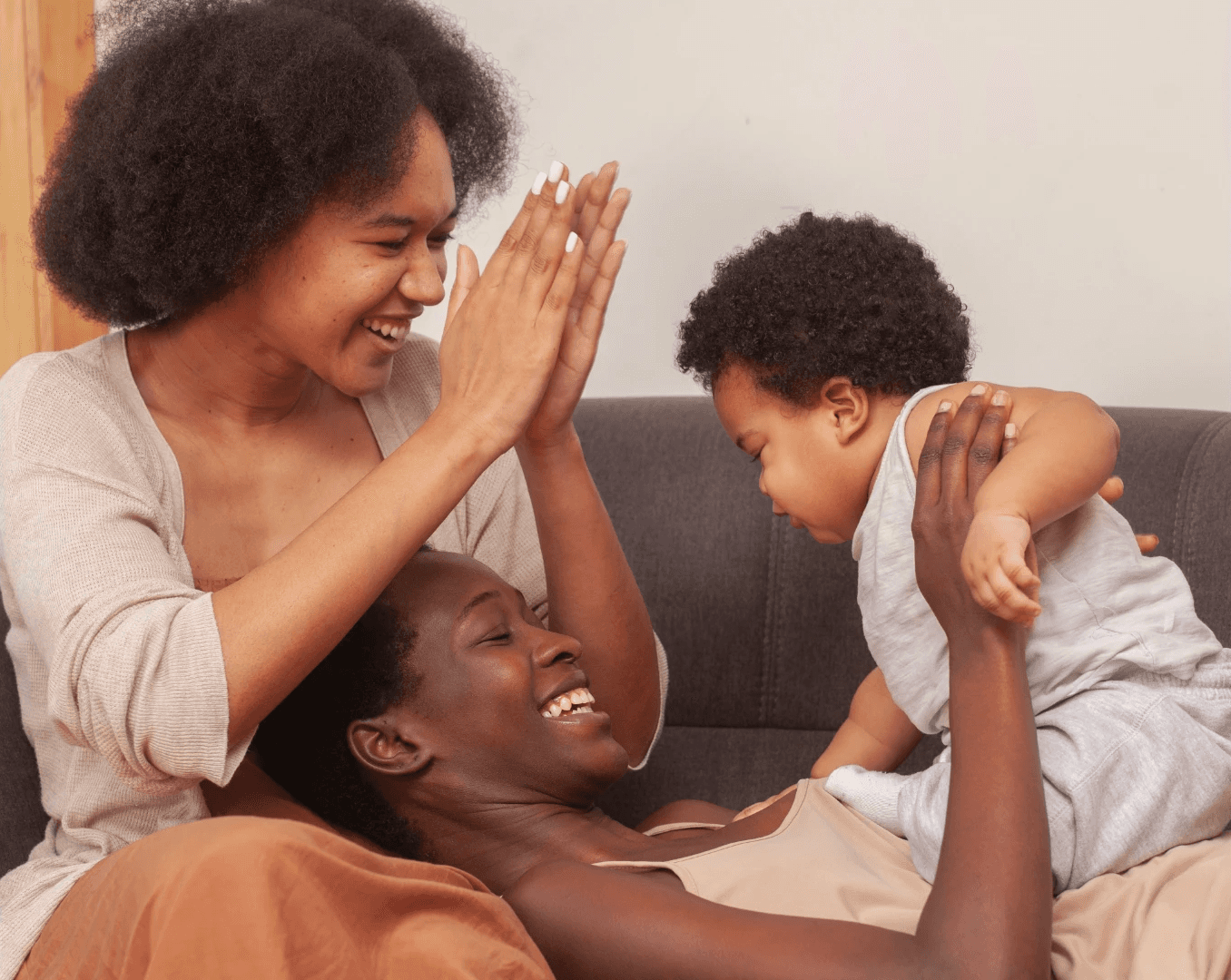
Motherhood looks different for everyone, and for some, it doesn’t involve children at all. It is time to dismantle the stigma surrounding reproductive health challenges and childlessness and to create a world where women are free to define their own paths.
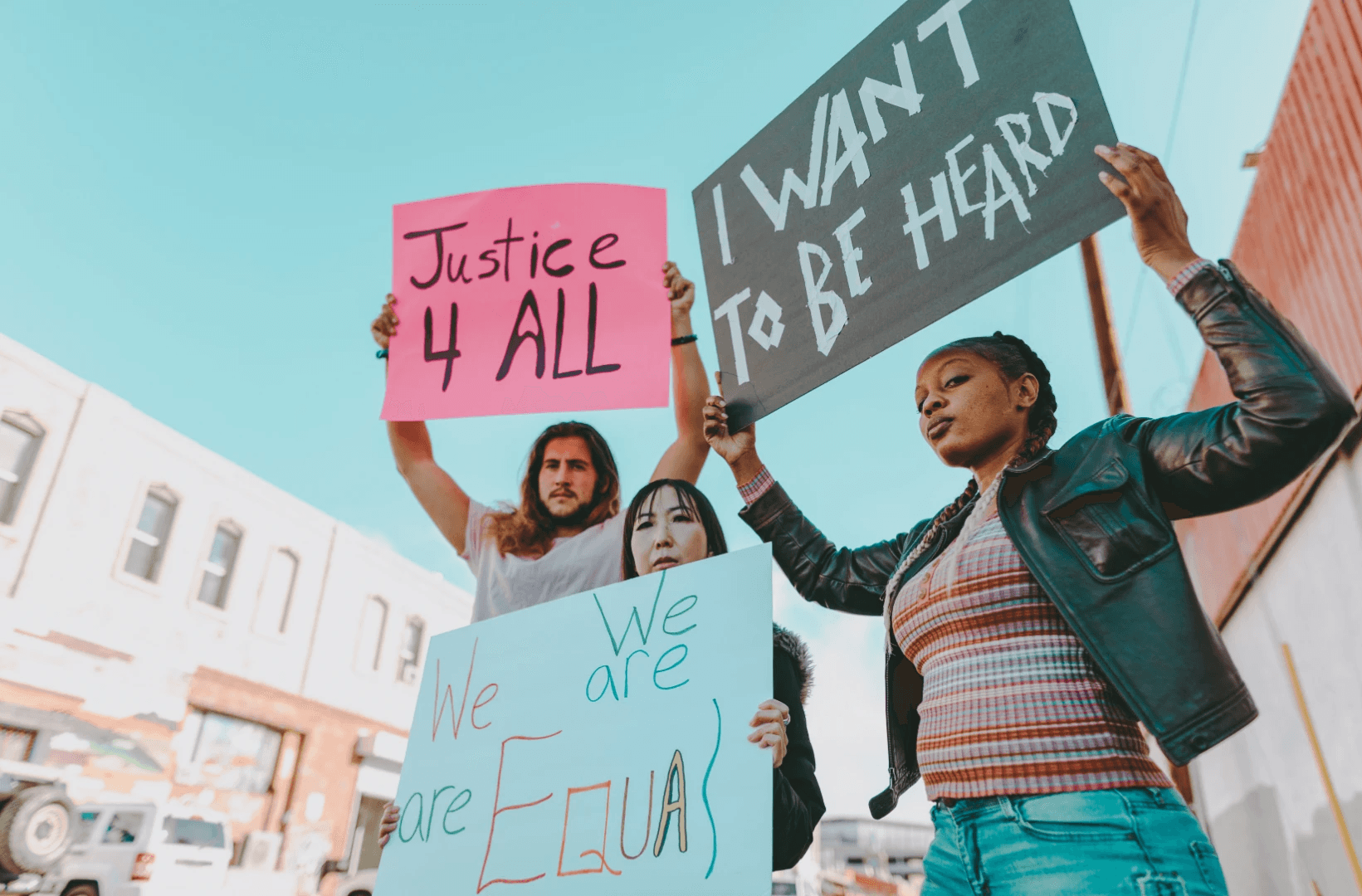
To every woman who has suffered in silence, who has felt the weight of judgment, or who has questioned her worth without a child by her side, your story matters. Your pain is real. And your value is immeasurable. Let’s honor that truth by advocating for change, breaking the silence, and redefining what it means to live a full and meaningful life.